Friday, 21 October 2022

Los escombros de los desastres están empujando los vertederos de Puerto Rico al límite

If you care about the environment, you know that planting trees is one of the best things you can do. Trees help the environment by taking in carbon dioxide and giving oxygen. If you have to get rid of a tree, make sure to only do it a last resort. At Pensacola Tree Services, we are dedicated to helping your home and the environment. We are committed to delivering the best possible service for both. Simply go here for more info Pensacola Tree Removal

Este artículo fue apoyado por la organización sin fines de lucro de periodismo Economic Hardship Reporting Project y se produjo en colaboración con 9 Millones

Click here to read this story in English.

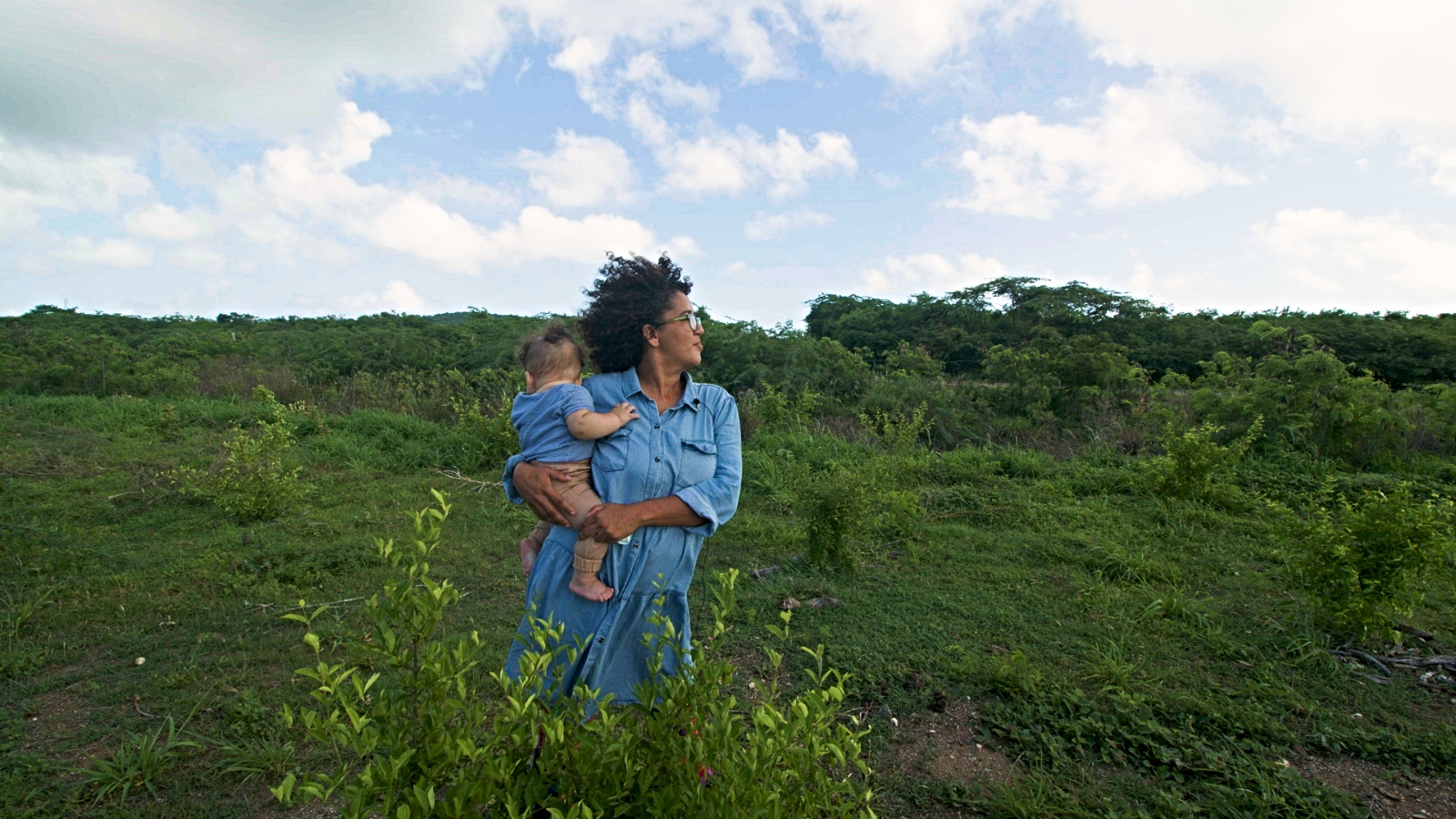
Con su hijo de seis meses balanceado sobre su cadera, Ana Arache camina por un bosque de árboles frutales en sus etapas iniciales en la isla de Vieques, frente a la costa este de la isla principal de Puerto Rico. Es julio. El sol calienta, y una brisa constante hace crujir las ramas de guayabos, tamarindos y mangós en crecimiento. Mientras se abre paso entre el paisaje tropical seco, Arache señala las flores rosadas del acerolo con una sonrisa formándose en su rostro. Los árboles ya han dado frutos, y las flores anuncian que vendrán más.

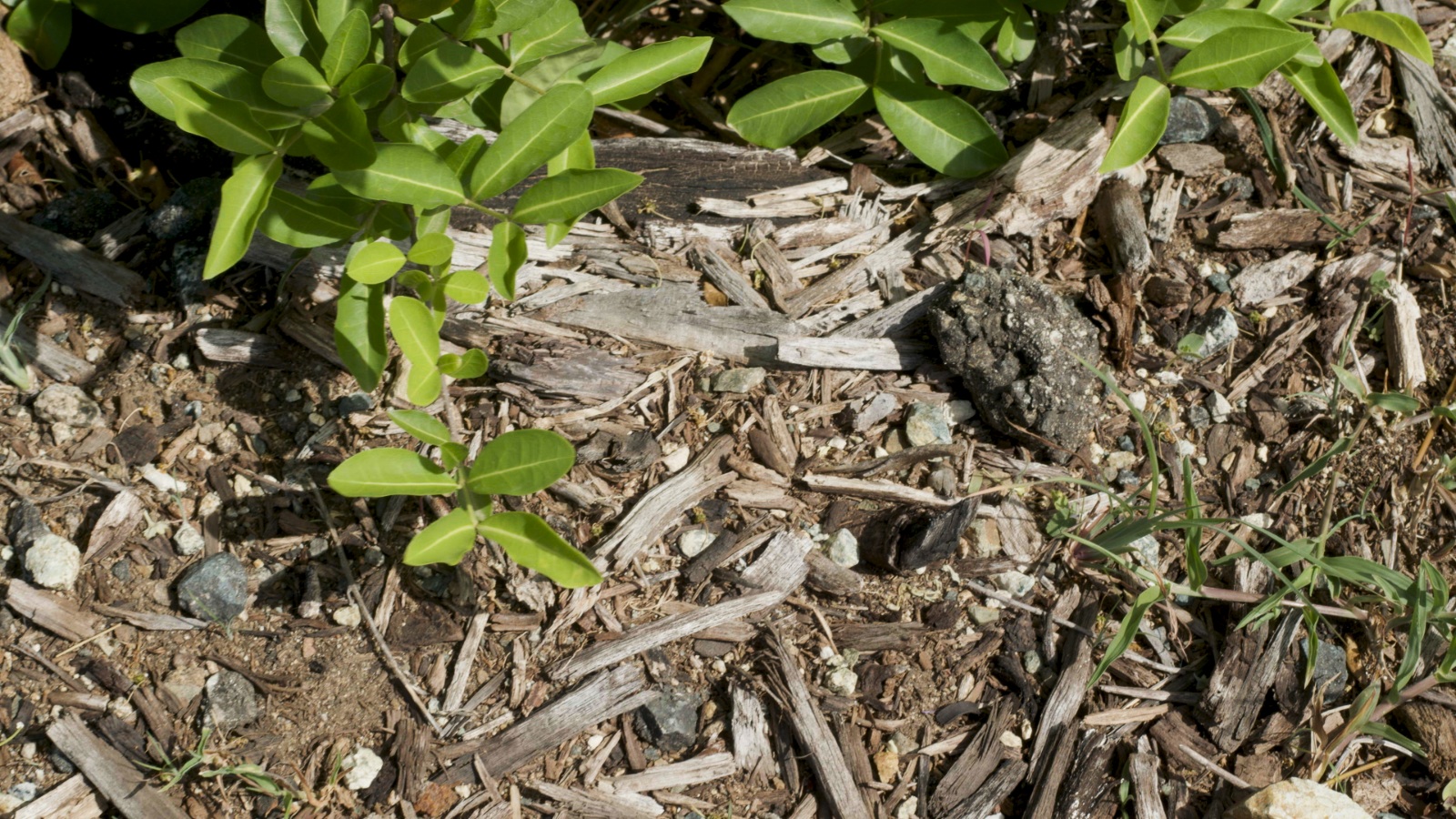
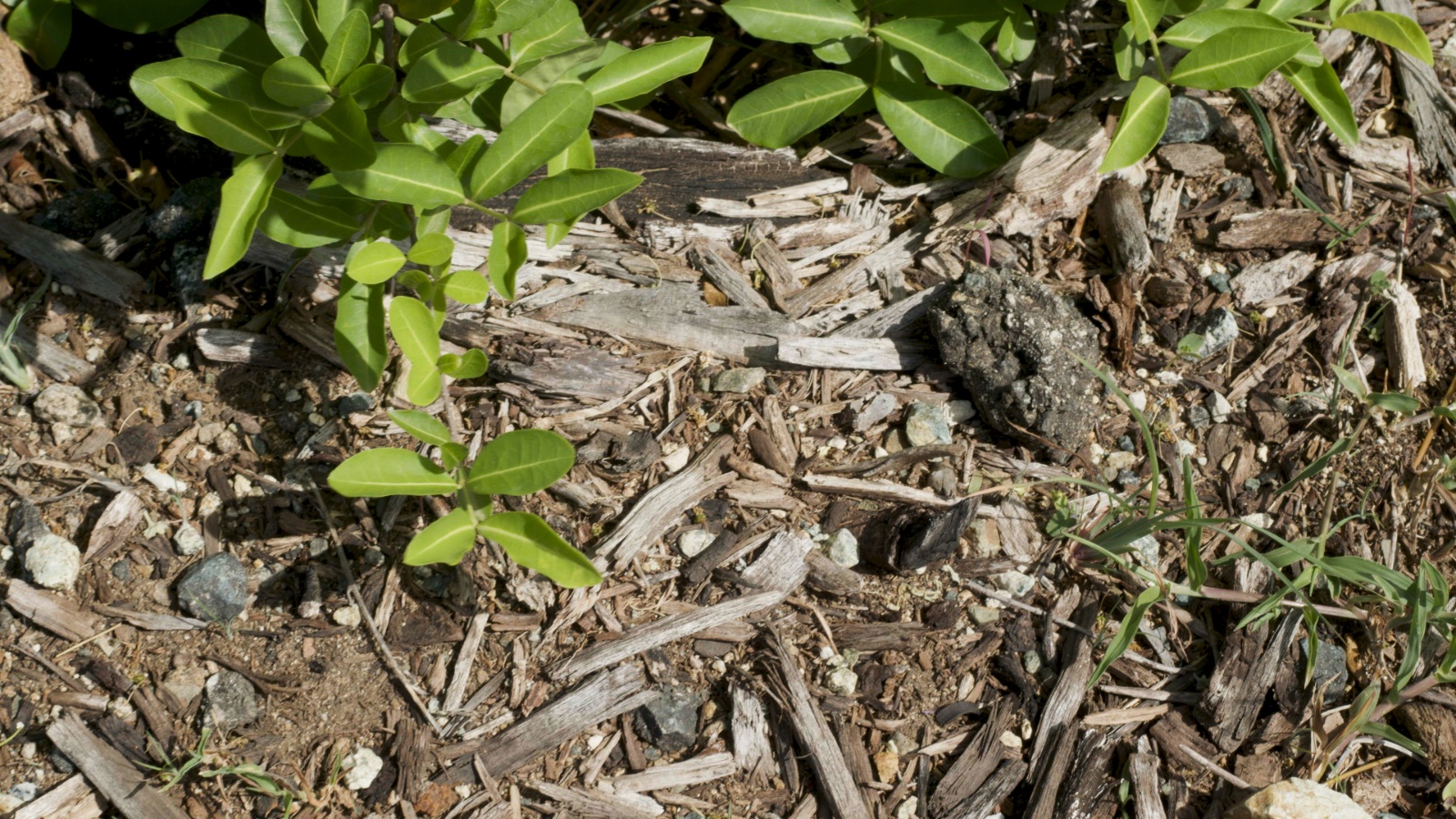
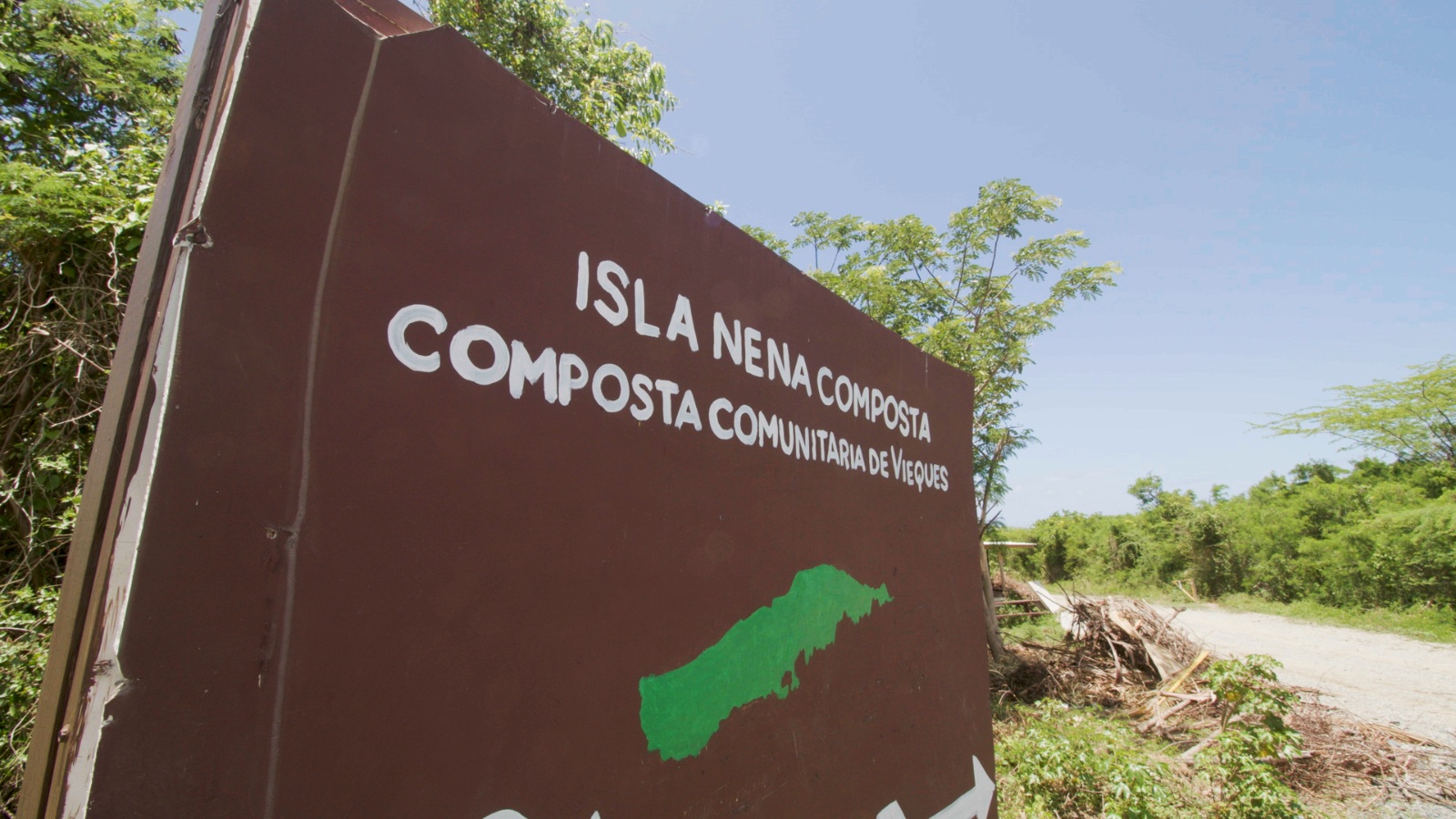
Arache entonces apunta al piso, gesticulando hacia el suelo marrón ceniciento lleno de aserrín. El material es producto de un programa que recogía escombros vegetales tras el huracán María y los compostaba. “Sembramos este arbolito con composta producida gracias al éxito [de nuestro programa]”, explicó Arache, la fundadora de Isla Nena Composta, una organización sin fines de lucro que gestiona el programa de compostaje de la comunidad de Vieques. 

Como el resto de Puerto Rico y su archipiélago, la isla de Vieques quedó devastada dos veces en septiembre de 2017; primero, por los fuertes vientos y la lluvia del huracán Irma, seguido dos semanas más tarde por el huracán María, que tocó tierra con categoría 4. El vistoso follaje verde que caracteriza a Puerto Rico desapareció. Los vientos de 155 millas por hora de María esparcieron ramas, hojas y troncos de árboles a lo largo de las calles, las aceras y las carreteras. 

En total, los huracanes Irma y María produjeron 2.5 millones de toneladas de escombros, según la Sociedad Estadounidense de Ingenieros Civiles (ASCE, por sus siglas en inglés), el equivalente de 2,5 a 3 años de uso del espacio disponible en los vertederos. 

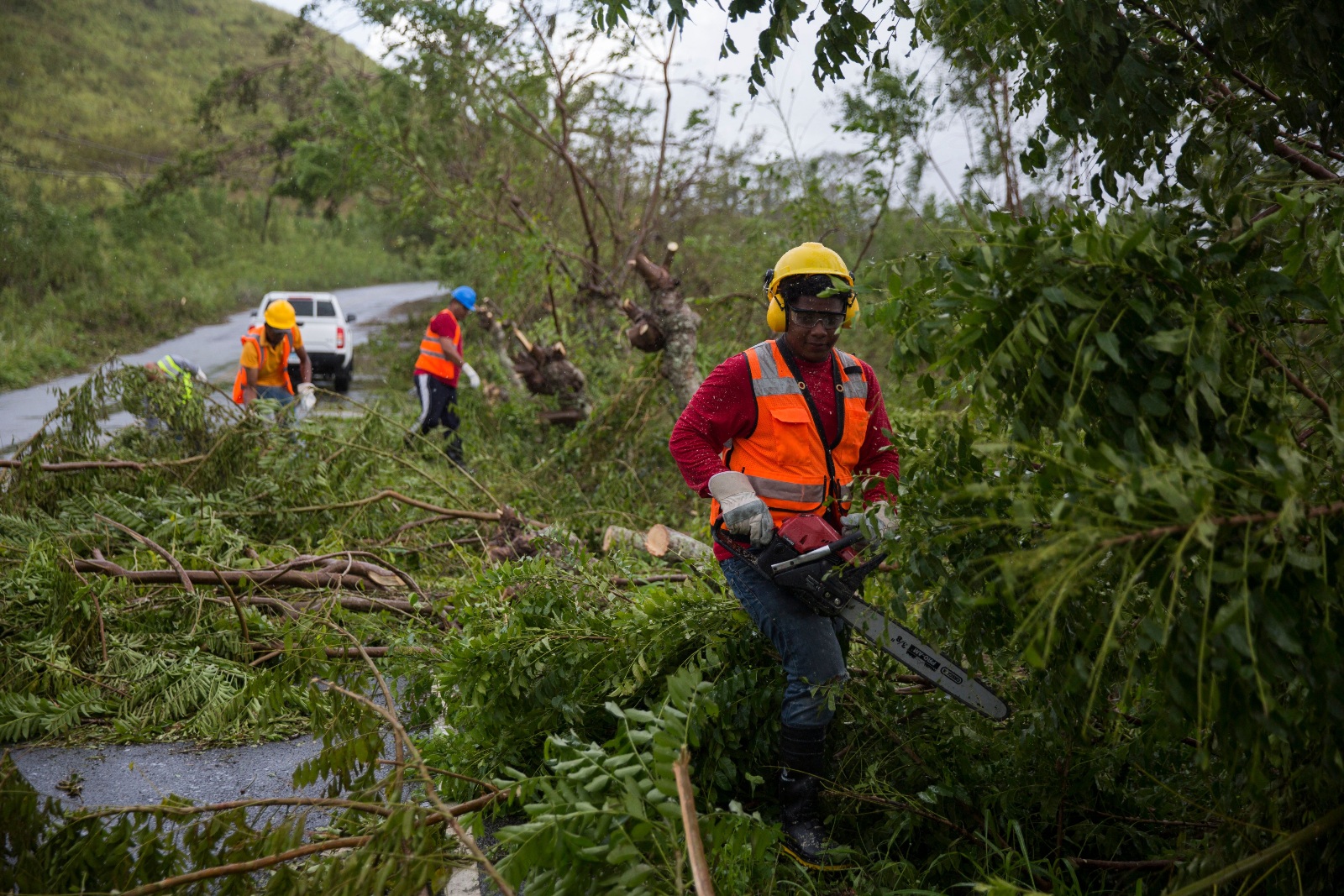
El Gobierno necesitaba actuar con rapidez para despejar caminos entre los escombros, de modo que los primeros intervinientes y los seres queridos de las personas damnificadas pudieran llevar ayuda y artículos de primera necesidad. Por la prisa de mover los escombros, las agencias tomaron decisiones que acortaron la vida útil de los vertederos de Puerto Rico, los cuales ya estaban saturados. Movieron los escombros a las orillas de las carreteras y los dejaron allí sin separar sus materiales o desviarlos a lugares donde pudieran ser procesados o reciclados. Al final, la mayoría terminó en los vertederos. 
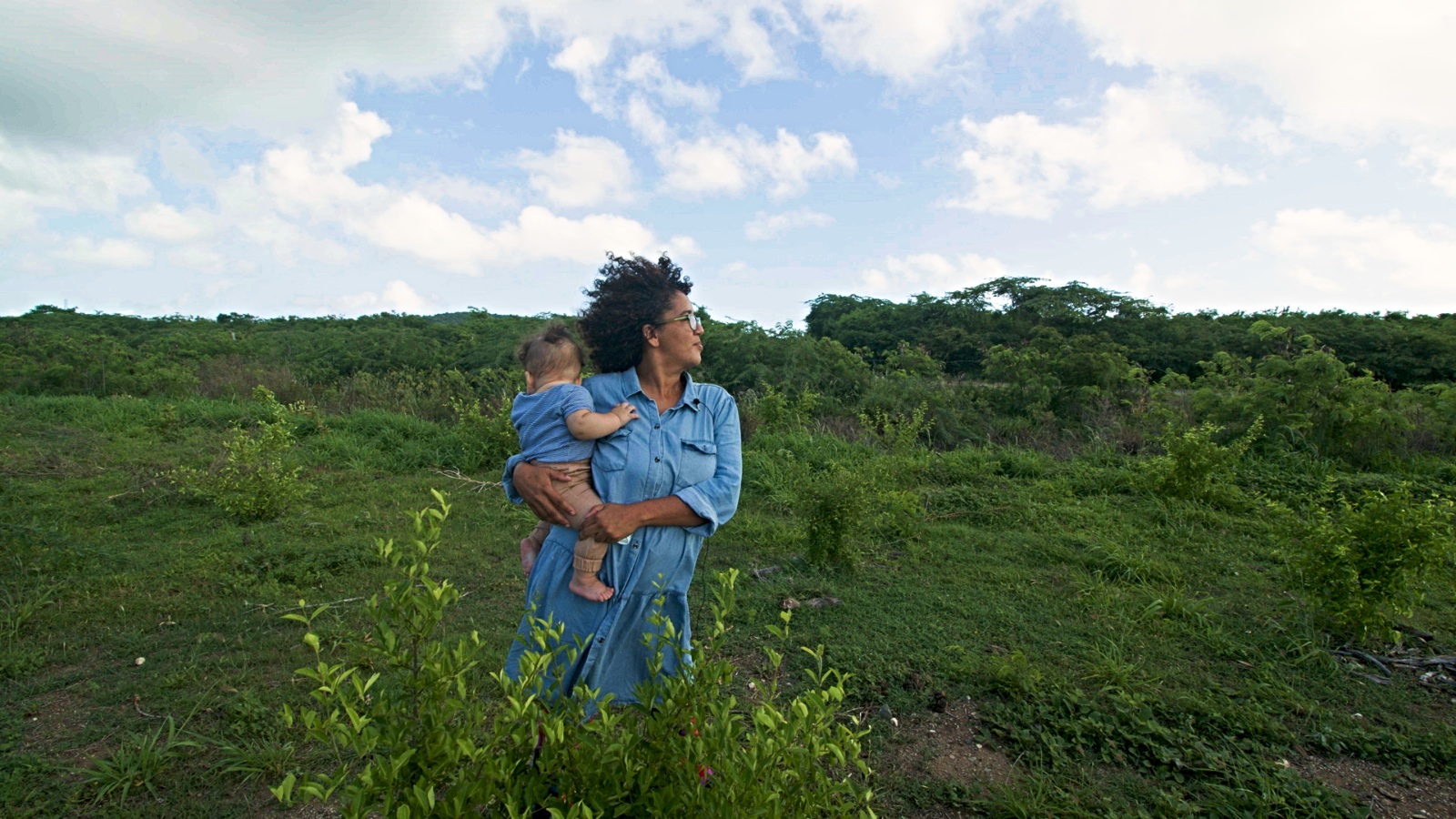
La ecologista Ana Arache camina a través del bosque de frutas tropicales en la isla de Vieques, cultivado con la composta de los escombros del Huracán María.  Camille Padilla Dalmau

En los años subsiguientes, la crisis solo ha empeorado. A causa del cambio climático, los huracanes se están volviendo más intensos y frecuentes en el Caribe. El huracán Fiona, de categoría 1, que tocó tierra en el sur de Puerto Rico el 17 de septiembre, derribó árboles, casas y el tendido eléctrico y demostró cómo incluso tormentas menos potentes pueden saturar el espacio limitado de los vertederos del archipiélago. El Gobierno no tiene un plan de acción que abarque el archipiélago para solucionar el problema. Un estudio de la Agencia Federal de Manejo de Emergencias (FEMA, por sus siglas en inglés) estima que muchos de los vertederos de Puerto Rico alcanzarán su capacidad máxima de almacenamiento  en 2023.

Ahora, un grupo de organizaciones, incluidas algunas sin fines de lucro como Isla Nena Composta y Puerto Rico Composta Inc. y compañías como TAIS, se apuran para retrasar el abarrotamiento de los vertederos de la Isla.

Puerto Rico nunca ha sido muy bueno reciclando. La Ley para la Reducción y el Reciclaje de Desperdicios Sólidos en Puerto Rico de 1992 fijó como meta que se reciclara el 35 % de los desperdicios que se generan; en realidad, esa cantidad solo ha alcanzado de un 10 a un 15 %. En todo el territorio, el 44 % del material que termina en los vertederos es compostable; de esa cantidad, el 22 % es material vegetal, como árboles, grama cortada y arbustos.

“Con la crisis, las necesidades, llegó la oportunidad”, dijo Arache. “María fue el empuje para empezar a tomarnos en serio el compostaje”.


El Gobierno de Puerto Rico reconoció por primera vez su crisis de vertederos en la década de 1970. Dos agencias gubernamentales, la Junta de Calidad Ambiental (JCA) y la Autoridad de Desperdicios Sólidos (ADS), se crearon para hacerse cargo del problema. Sin embargo, desde su fundación, han sido obstaculizadas por presupuestos inadecuados, la escasez de personal y poderes limitados para implementar de lleno sus propuestas. La JCA y la ADS fueron absorbidas por el Departamento de Recursos Naturales y Ambientales (DRNA) en 2018 debido a las medidas de austeridad. Esto ha reducido el manejo de residuos sólidos de todo el archipiélago a una sola oficina del DRNA.

Dos terceras partes de los vertederos de Puerto Rico incumplen las regulaciones de la Agencia de Protección Ambiental de Estados Unidos (EPA, por sus siglas en inglés). 
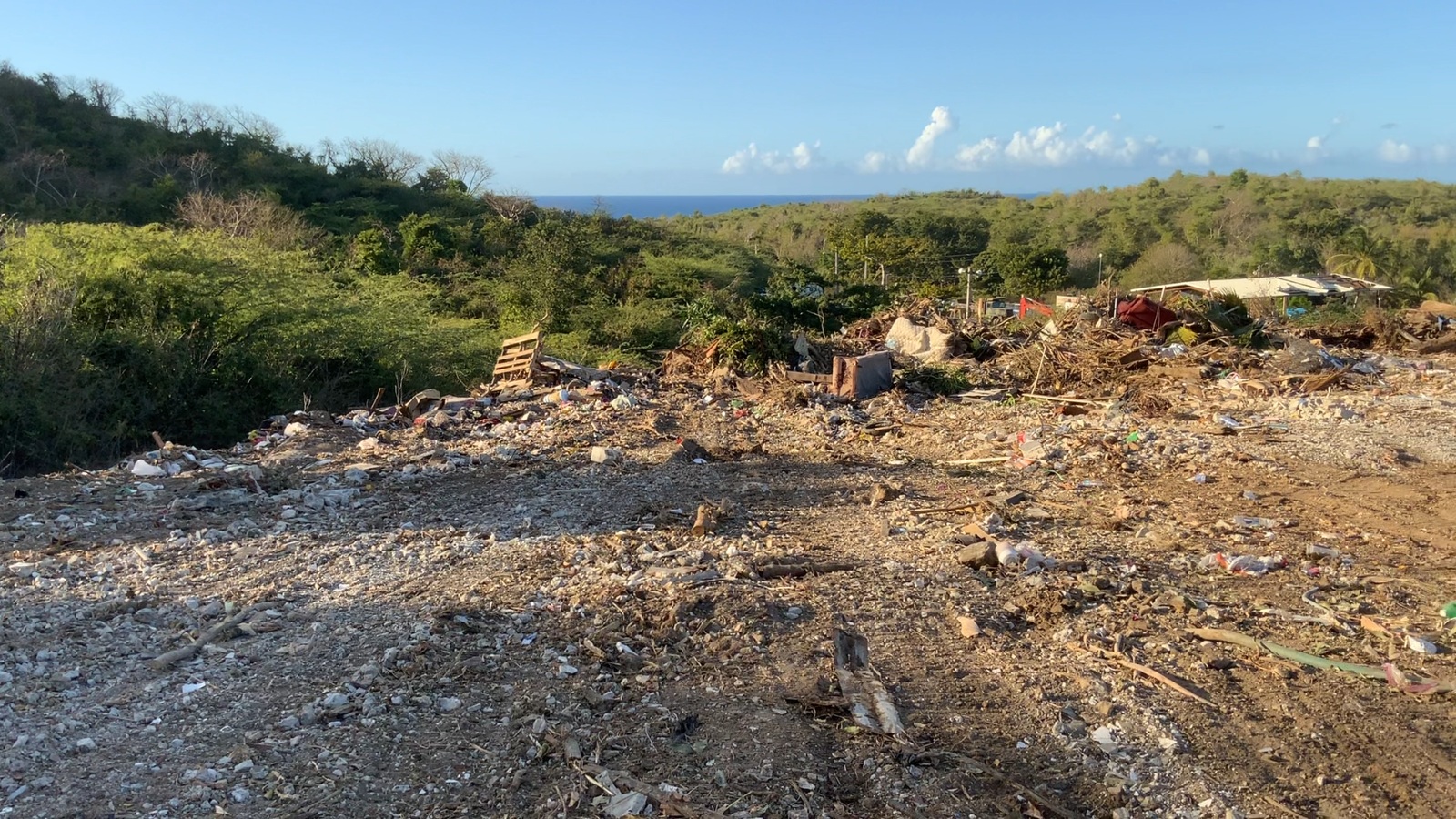
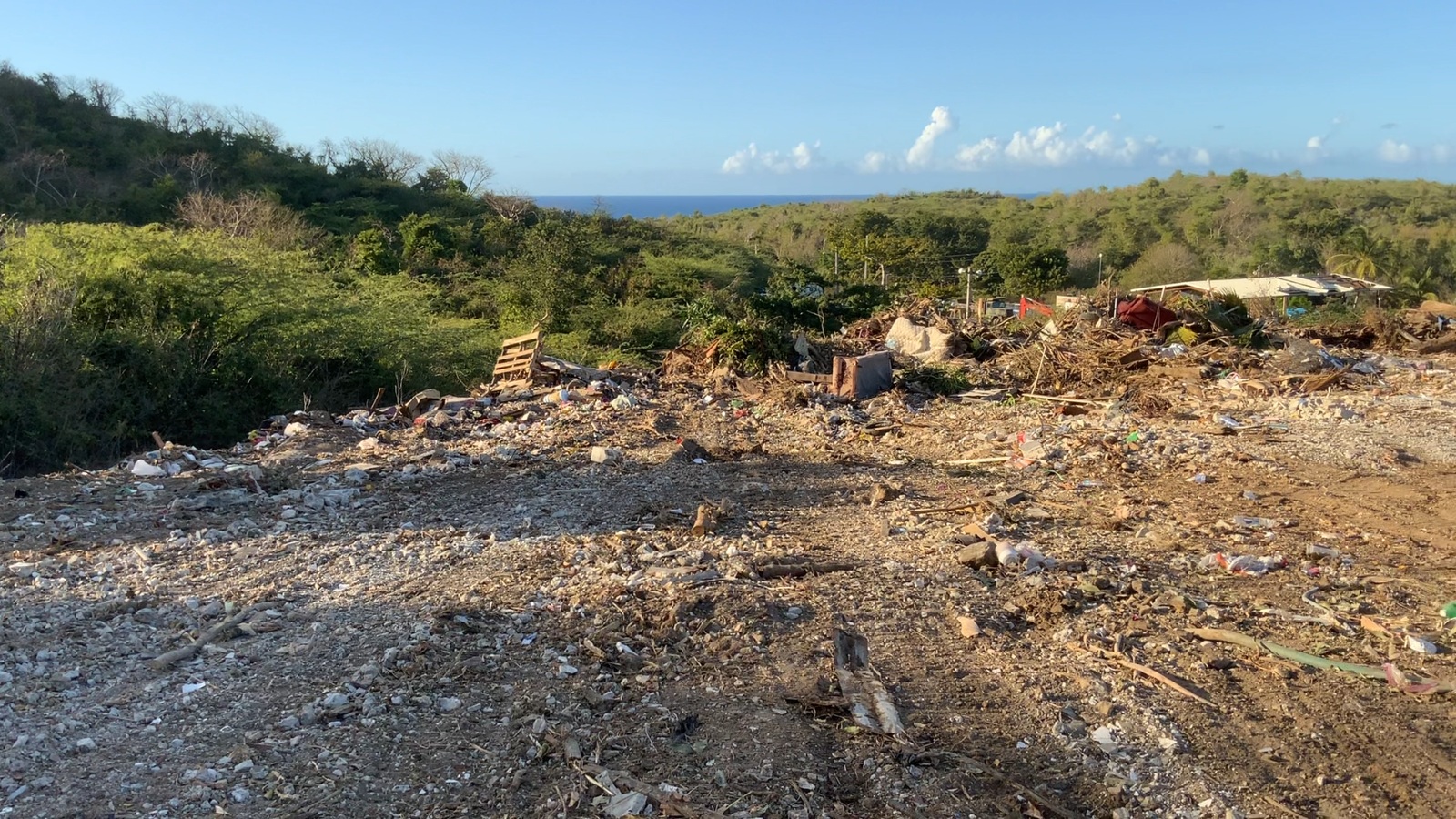
Un vertedero de la isla-municipio de Vieques.  Camille Padilla Dalmau

Cuando se construyeron muchos de los vertederos de Puerto Rico en las décadas de los 1950 y 1960, se diseñaron sin sistemas efectivos para reducir las emisiones de gas y las percolaciones de lixiviados (líquidos que se crean cuando los restos de comida y los escombros vegetales se descomponen). Las emisiones de gas contribuyen al cambio climático, mientras que las percolaciones de lixiviados pueden liberar metales pesados, amoniaco y otros componentes, que pueden ser tóxicos, radioactivos o mutagénicos en los cuerpos de agua o comunidades cercanas.

El vertedero de Vieques no es la excepción. Básicamente, cualquiera puede ir a botar sus desechos en diferentes secciones, tales como bolsas de basura residencial, chatarra, dispositivos electrónicos y muebles –incluso hay una parte para animales muertos–. La falta de un revestimiento del suelo apropiado que cubra la basura ha causado incendios en el vertedero, lo que afecta la calidad del aire en toda la comunidad.

Según la última evaluación de la EPA, el vertedero de Vieques no tiene revestimiento sintético (liner), una red que protege el suelo y las aguas subterráneas de la contaminación por lixiviados. Tampoco tiene un sistema de recolección de lixiviados o un programa de monitoreo de aguas subterráneas. La falta de monitoreo es significativa, dado que el vertedero queda adyacente al mar Caribe y a 8 km (5 millas) del sistema de aguas subterráneas más importante de Vieques. La casa más cercana se ubica solo a 54 metros (0,03 millas) de distancia y la escuela más cercana a 2 km (1,3 millas).

“Hay días en los que las moscas son insoportables”, dijo Melisa Molina, una empleada municipal que vive cerca del vertedero de Vieques. Pero lo que ha afectado su salud más aún ha sido los incendios en el vertedero. El humo “invade toda el área” y tiene un fuerte olor acre. Una vez, se volvió tan “insoportable” que tuvo que mudarse con sus padres al otro lado de la isla. “He tenido asma por 16 años y, obviamente, no ha habido ninguna mejoría”, añadió. Los puertorriqueños tienen índices de asma superiores a los de cualquier otro grupo étnico en Estados Unidos. 


Como archipiélago, Puerto Rico necesita con urgencia nuevas ideas para manejar sus estrategias de consumo y desperdicios. El terreno disponible es limitado, y es cuestión de tiempo que las comunidades se queden sin espacio para su basura. 

Ciertas prácticas como la incineración son altamente combatidas tanto por las comunidades como por las agencias gubernamentales. Esto significa que, según se van llenando los vertederos, el archipiélago debe o empezar a enviar basura al extranjero o renovar radicalmente su industria de reciclaje.
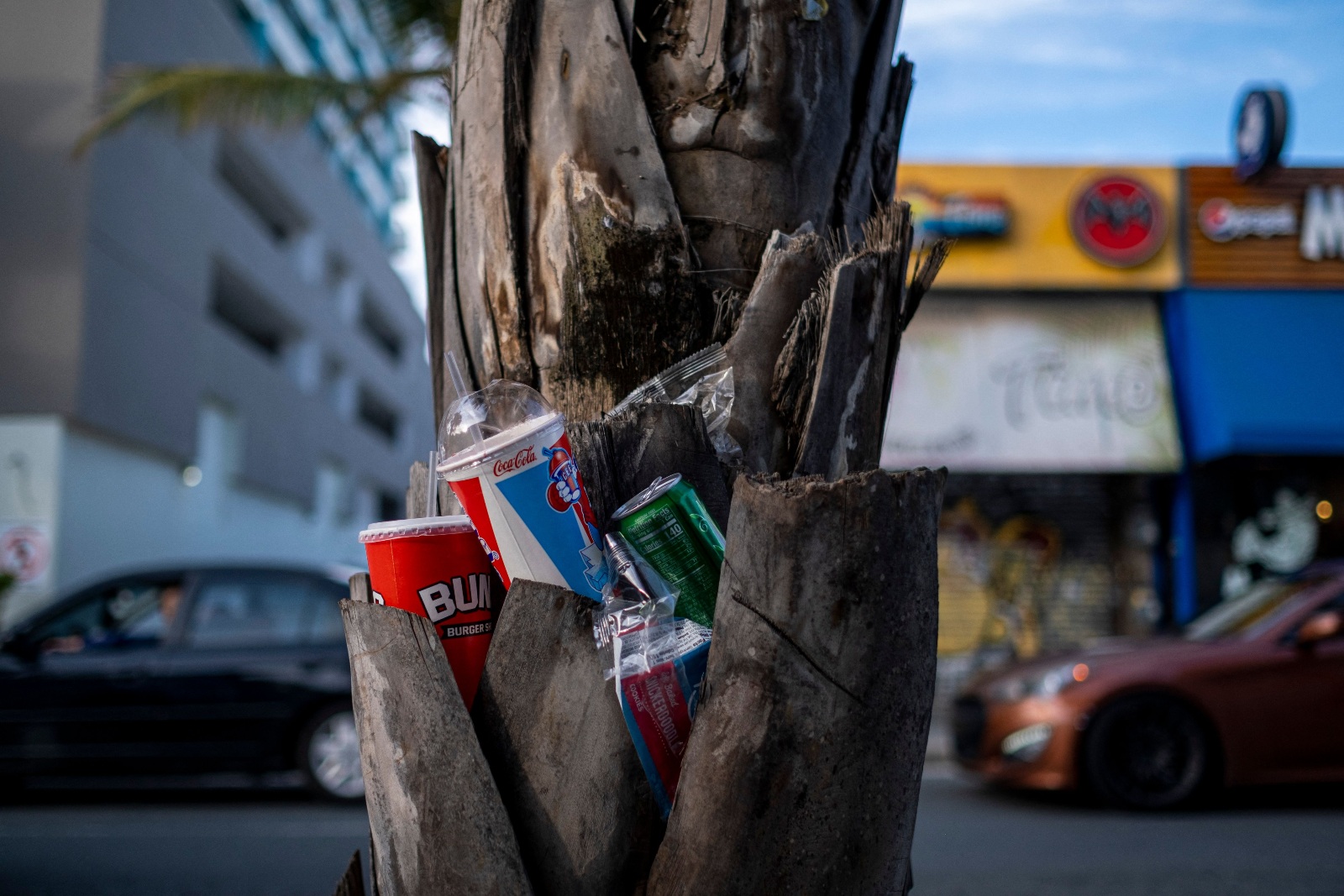
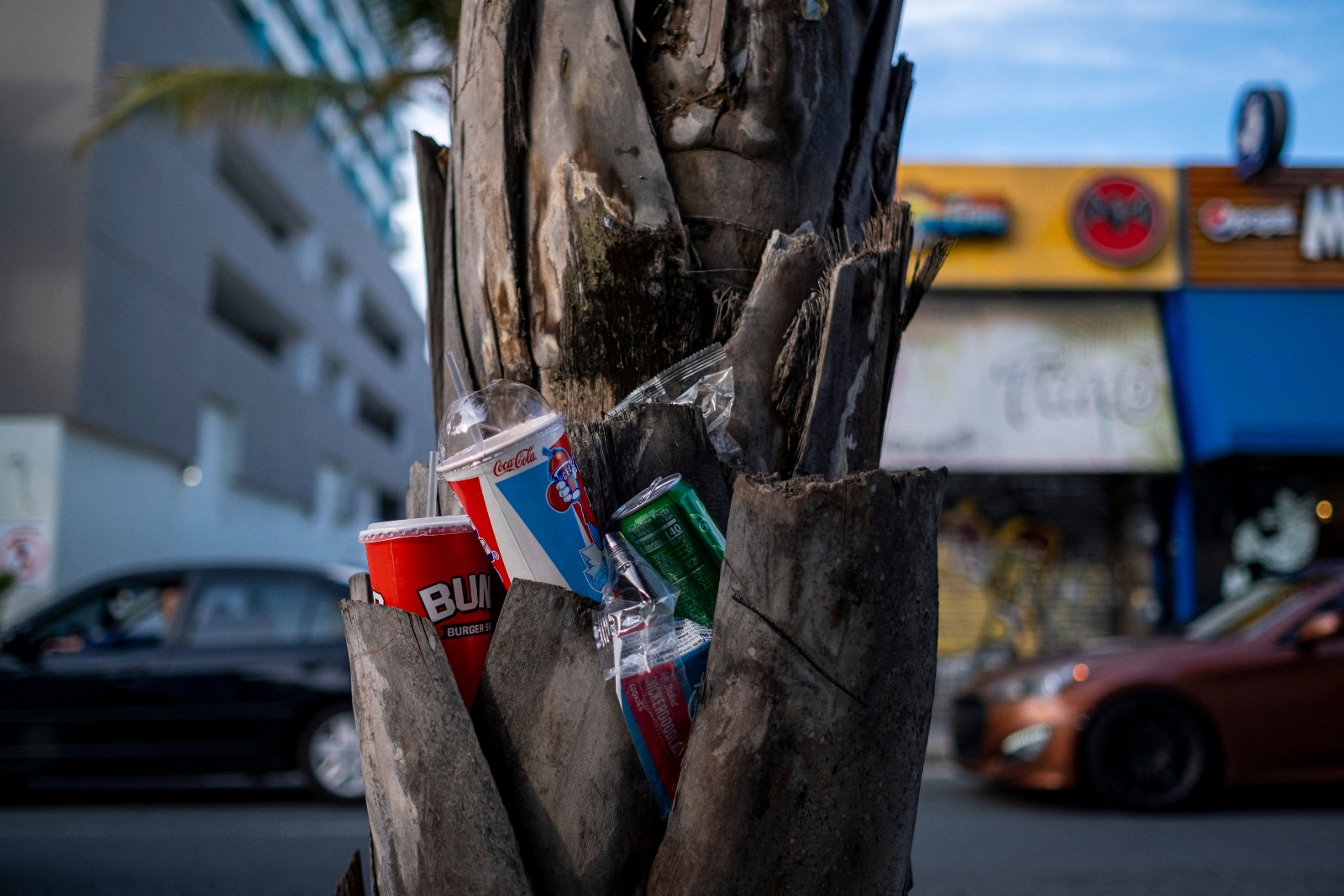
Basura en una calle concurrida de San Juan, Puerto Rico en el año 2021. En Puerto Rico solo se recicla de un 10 a 15 % de los desechos generados. Ricardo Arduengo/AFP via Getty Images

“La política pública que tenemos – y que hemos tenido – ha sido inestable e ineficiente”, dijo Francisco V. Aquino, abogado y miembro de Generación Circular, una coalición de organizaciones que abogan por políticas públicas que fomenten una economía circular en Puerto Rico, en un esfuerzo por reusar y reciclar productos de manera local lo más posible.

Generación Circular abogó recientemente por una ley (Ley 51-2022) que prohíbe algunos plásticos de un solo uso. La ley se aprobó en junio y entrará en vigor en 2024. El grupo también aboga por una legislación para establecer un fideicomiso de economía circular para la recopilación de datos, la fiscalización del desembolso de fondos públicos y la defensa de políticas públicas que prioricen la salud y el bienestar de Puerto Rico en vez de las ganancias económicas del sector privado.

Una parte del fracaso de la planificación, según Aquino, tiene que ver con la falta de integración comunitaria. “Hay parámetros establecidos de manera jerárquica que no toman en consideración lo que las comunidades pueden hacer, lo que están dispuestas a hacer, cómo fortalecer las comunidades para que puedan participar en esta economía, porque un aspecto importante de la economía circular es que los recursos no siempre terminarán en las mismas manos”.

Una de las soluciones más importantes es el desvío y reciclaje de material orgánico.

En los meses tras el paso de los huracanes Irma y María, el grupo de Arache, Isla Nena Composta, recibió aproximadamente 30 400 yardas cúbicas de escombros vegetales. Después de separarlos de los escombros de construcción y triturarlos, terminaron con alrededor de 17 000 yardas cúbicas de material vegetal limpio y descascarado. Finalmente, esa cantidad se redujo a 4 000 yardas cúbicas de composta, más o menos el tamaño de una piscina olímpica.

“Sin composta no hay paraíso”, dijo Arache entre risas, haciendo un juego de palabras con la famosa canción de salsa de El Gran Combo.

Describe la composta como “la piedra angular del ciclo de la vida” y cree que es necesaria para la supervivencia de la humanidad. Convertir materia orgánica –vegetación, restos de alimentos o desechos de origen animal –en suelo no solo aporta nutrientes a la tierra para producir comida, sino que también ayuda al crecimiento de los árboles y otras plantas cuyas raíces son esenciales para la retención de agua y la mitigación de inundaciones y otros desastres relacionados con el cambio climático.

Isla Nena Composta ha vendido su composta a jardineros locales y a proyectos agrícolas comunitarios, lo que le ha ayudado a sostener sus operaciones a esta organización sin fines de lucro por casi cinco años. Además, han donado composta a las escuelas para el desarrollo de sus huertos comunitarios. 

Isla Nena Composta es una alianza público-privada poco común. Las instalaciones de compostaje y el bosque de árboles frutales en ciernes están situados en el Refugio Nacional de Vida Silvestre de Vieques. De 1941 a 2001, este fue usado como campo de entrenamiento –de tiro y bombardeo– y almacenamiento de municiones por la Marina de Estados Unidos. Arache, que además es ingeniera y científica ambiental, explicó que antes de la intervención militar esta área consistía principalmente en bosques tropicales y humedales. La Marina cubrió el terreno donde se sitúa Isla Nena Composta con asfalto para construir una pista de aterrizaje. El asfalto se quitó después de que la Marina finalizó sus operaciones y se recicló para construir la carretera que ahora se conecta con el refugio de vida silvestre. Según Arache, el proceso transformó esta sección del parque en un bosque semiseco.

Actualmente, el Refugio Nacional de Vida Silvestre de Vieques es gestionado por el Servicio de Pesca y Vida Silvestre de Estados Unidos (FWS, por sus siglas en inglés). La oficina local de la agencia federal le ofreció a la organización de Arache cinco cuerdas para el procesamiento de material vegetal y un acre adicional para el bosque de árboles frutales. El sitio de compostaje está lleno de pilas masivas de material vegetal –hojas, ramas, troncos de árboles–, cartones y tablas de madera. Desde el huracán Fiona, han recibido mucho más material. “Bello”, describió Arache vía correo electrónico.

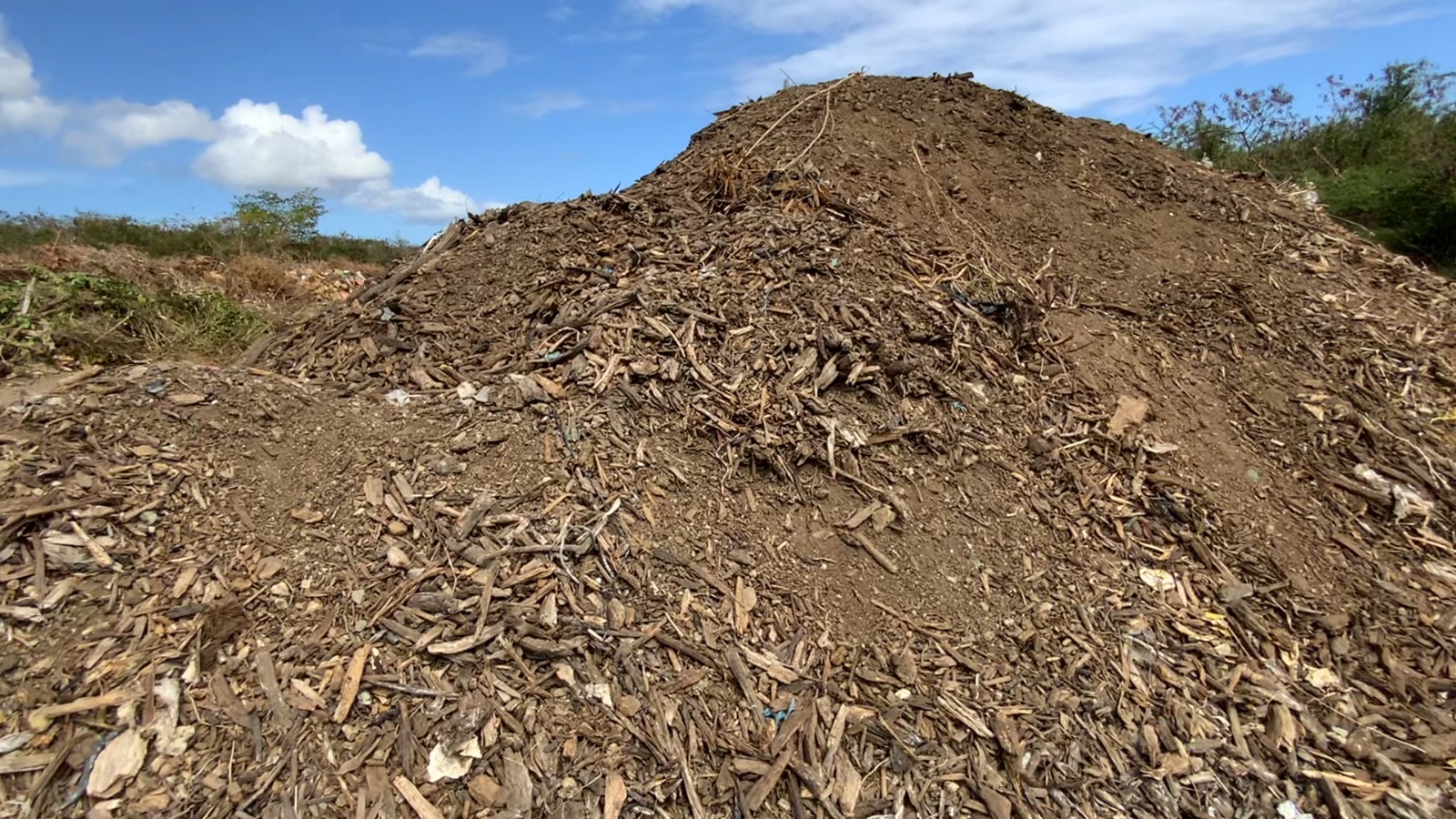
La composta de los escombros vegetativos del Huracán María procesada por Isla Nena Composta.
Camille Padilla Dalmau
La composta ayuda al crecimiento de árboles frutales como el acerolo.
Camille Padilla Dalmau

Entre los materiales, una pequeña pila color marrón oscuro sobresale: lo que queda de la composta producida por los escombros vegetales del huracán María.

“Mi meta siempre ha sido lograr que Vieques recicle todo lo que es compostable para que no llegue al vertedero y lo podamos transformar en tierra fértil”, explicó Arache. “No solo en Vieques, mi sueño es lograrlo en Puerto Rico y el mundo entero,  pero tenemos que empezar por una comunidad a la vez”.

A menos de una milla de la pila de composta se hallan las oficinas locales del Servicio de Pesca y Vida Silvestre de EE. UU., dirigido por el biólogo Mike Barandiaran, quien gestiona el refugio. Es de Nueva York, de ascendencia chilena y nativoamericana, pero menciona con orgullo que Vieques ha sido su hogar por más de 20 años. Nos guía a través del refugio: millas y millas de follaje verde rodeado por el azul cristalino del mar Caribe. Donde quiera que vamos, hay caballos vagando alrededor. Barandiaran lleva plumas en su sombrero, que tomó de pájaros muertos tras el huracán María. Ha prometido vestir con ellas hasta que Vieques se recupere completamente del huracán.

Barandiaran rememora que conoció a Arache en 2012, cuando la administración de Obama formó el Grupo de Trabajo para la Sostenibilidad de Vieques (Vieques Sustainability Taskforce). Mientras que la mayoría de los esfuerzos de reciclaje se centraron en el manejo de papel, plástico y aluminio, Barandiaran recuerda que Arache preguntaba repetidamente: “¿Y qué hay de la composta?”

“Al final del día, se discutieron muchas cosas, se tomaron muchas decisiones y nada se llevó a cabo… pero ella nunca se fue”, dijo Barandiaran. “Siguió persistiendo, y ahora la conocemos como ‘Ana Composta’”.

Al principio, la intención de Arache era establecer un sitio de compostaje en tierras municipales, pero, en aquel momento, en la Alcaldía no reconocían su valor. “Se mostraron escépticos [y me preguntaron:] ‘¿Para qué? Eso no hace falta”, recuerda. Sin embargo, como biólogo que trabaja en conservación, Barandiaran entendió la visión de Arache y decidió colaborar.

Arache y Barandiaran fueron juntos a pedirle ayuda al alcalde de Vieques. A pesar de que no recibieron todo el apoyo, siguieron adelante con sus planes y, para el 2016, construyeron un sitio de compostaje en el Refugio Nacional de Vida Silvestre de Vieques con cuencas de retención e infraestructura. Pero cuando el huracán María tocó tierra tan solo unos meses más tarde, lo destruyó por completo.
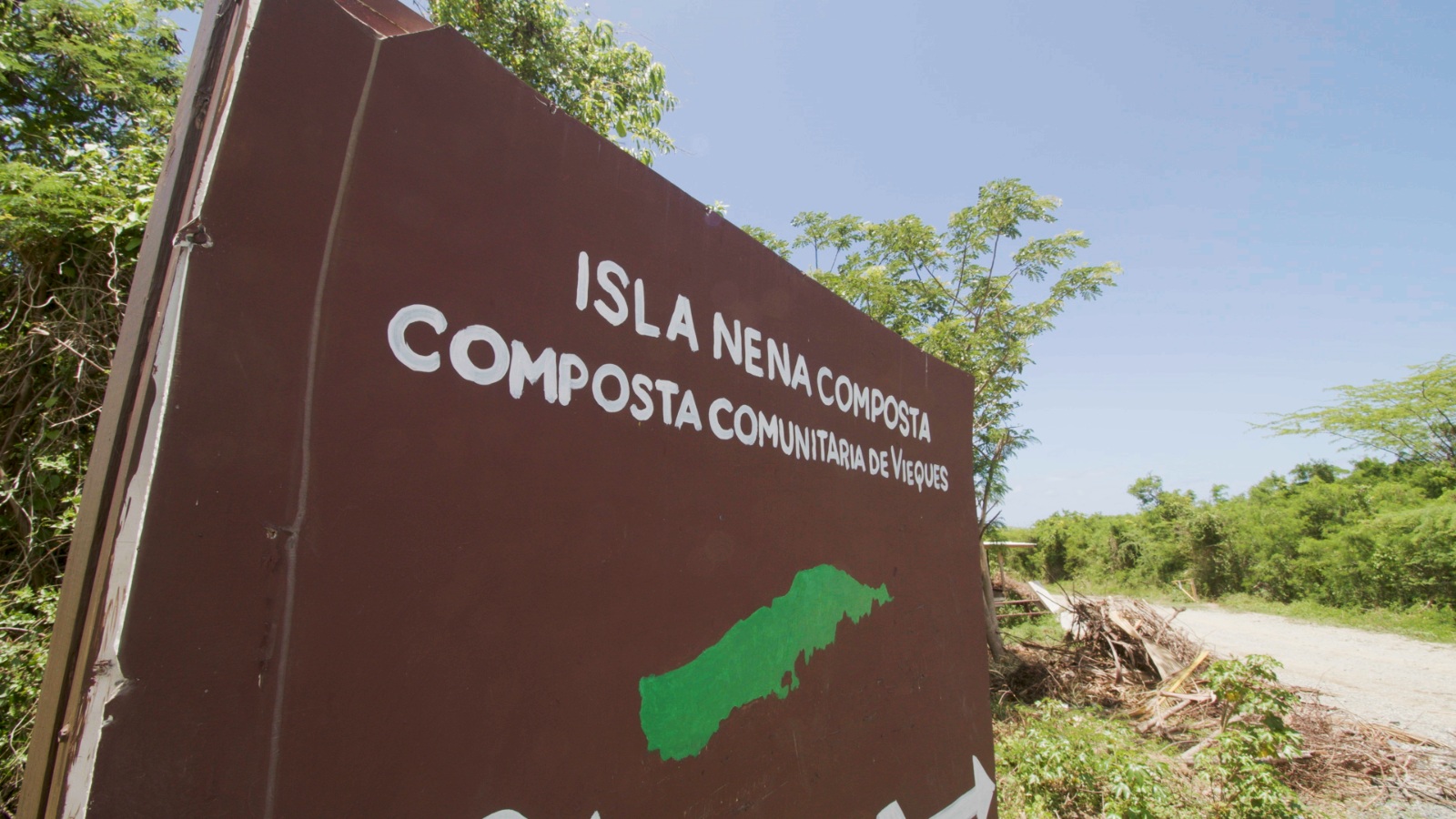
La organización sin fines de lucro Isla Nena Composta recibió aproximadamente 30 400 yardas cúbicas de escombros vegetales de los huracanes Irma y María.  Camille Padilla Dalmau

Poco después del huracán, se reunieron de nuevo con el alcalde y le explicaron que podían usar el material vegetal derribado por el huracán; si no, este estaba destinado a parar en el vertedero municipal. Sin embargo, el alcalde no accedía. Arache y Barandiaran se reunieron después con FEMA y el Cuerpo de Ingenieros del Ejército de Estados Unidos (USACE, por sus siglas en inglés) para explicarles que tenían el espacio para recibir los materiales. Pese a que les tomó meses, finalmente el Cuerpo de Ingenieros del Ejército de Estados Unidos empezó a transferirle los materiales vegetales a Isla Nena Composta.

Una vez las agencias federales se pusieron de acuerdo, el alcalde también decidió apoyar el programa. “Cuando tienes una agencia gubernamental trabajando con una organización comunitaria, se complementan muy bien entre sí porque la agencia gubernamental puede reconocerla y darle legitimidad”, añadió Barandiaran.

En 2021, hubo un cambio en el gobierno local –y en su mentalidad respecto al compostaje–. José ‘Junito’ Corcino Acevedo, el actual alcalde, es un expescador comercial que anteriormente le ha comprado composta a Isla Nena Composta y entiende el valor del proyecto.

Por lo tanto, la Asamblea Legislativa de Vieques firmó una ordenanza que decreta que todo el material vegetal en Vieques debe ser procesado por Isla Nena Composta. El municipio, el Servicio de Pesca y Vida Silvestre de EE. UU. e Isla Nena Composta también firmaron un acuerdo colaborativo que le otorgó a la organización sin fines de lucro los servicios de un contratista municipal que recibe el material vegetal de lunes a viernes. Esto le permite a Isla Nena Composta contar con horas fijas y le da más tiempo a Arache para dedicar sus esfuerzos a la educación crítica y la recaudación de fondos.

El alcalde Corcino comenta que quería trabajar con Isla Nena Composta porque tiene el potencial de extender la vida útil del vertedero y de controlar los incendios en el basurero y porque reduce ciertos portadores de enfermedades, como las ratas, los mosquitos, las garrapatas y las cucarachas.
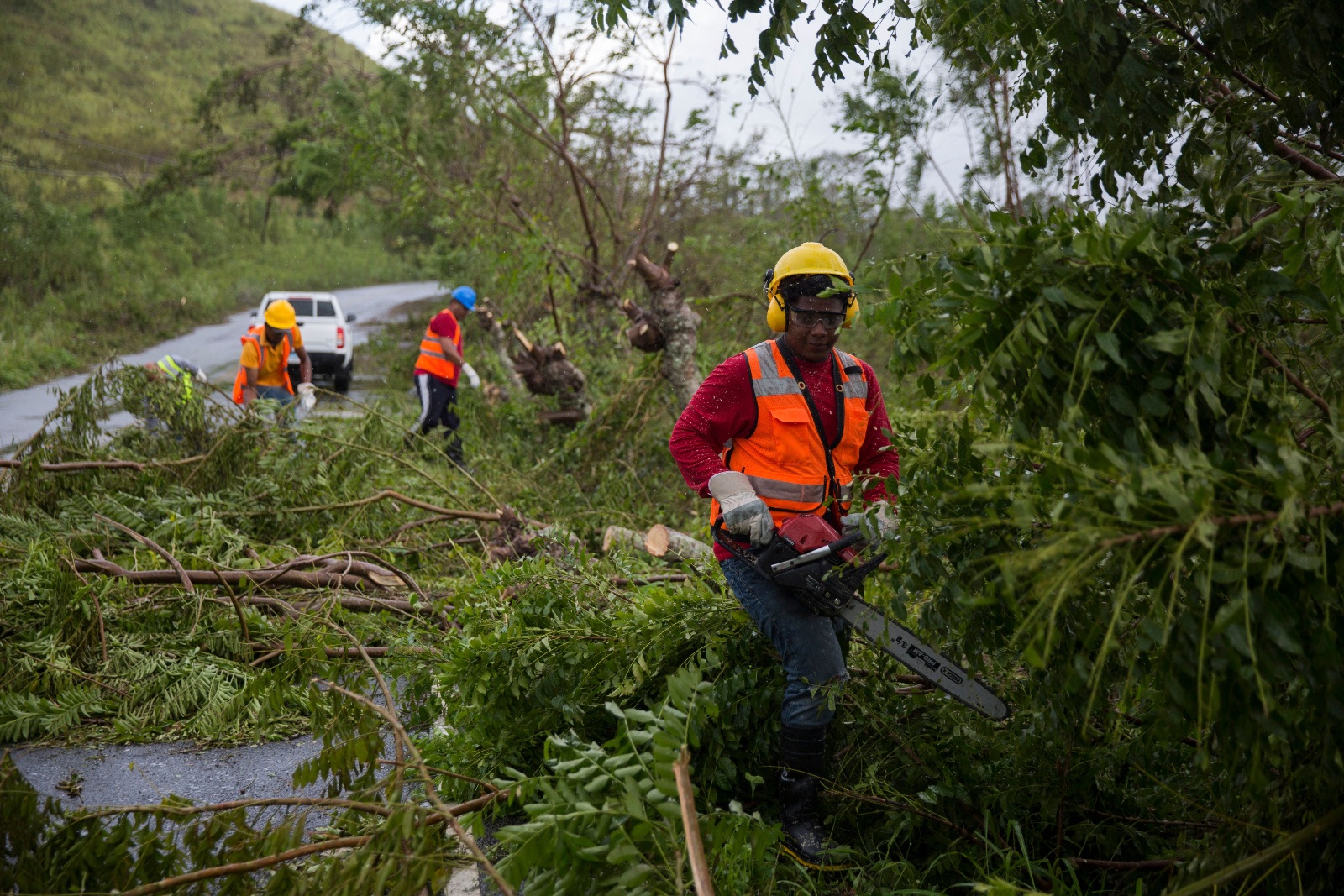
Huracanes como Fiona (en imagen), que azotó a Puerto Rico en Septiembre, crean pilas masivas de material vegetativo que usualmente terminan en los vertederos.  Erika Santelices/AFP via Getty Images

Después de que el huracán Fiona azotó la Isla el mes pasado, el municipio contrató a dos compañías para llevar escombros vegetales a Isla Nena Composta. “Ha sido nuestra salvación”, explicó Corcino Acevedo en una entrevista telefónica unas semanas tras el huracán. “Casi todo el material vegetal se ha llevado a Isla Nena Composta en vez de al vertedero”. 

“Esa es una gran cantidad [de material] que se está llevando a un lugar que no afecta la vida útil del vertedero”, dijo Corcino Acevedo. 


Entre el equipo requerido, la transportación y el costo de la mano de obra, el manejo de desperdicios sólidos es una industria cara. A medida que las organizaciones sin fines de lucro, los grupos comunitarios y los pequeños negocios locales intervienen para abordar la crisis de vertederos en Puerto Rico, se están encontrando con barreras financieras importantes.

Entre 2017 y 2021, los huracanes Irma y María, los terremotos y la pandemia empeoraron la crisis de vertederos en Puerto Rico, lo que llevó al gobernador Pedro Pierluisi a declarar una emergencia de vertederos a principios de 2021 y, con ello, a hacer disponibles los fondos para que los vertederos cumplieran con las regulaciones. Pero ha pasado casi un año, y no se ha distribuido ningún dinero. Las organizaciones comunitarias dicen que están teniendo problemas para acceder a esos fondos por la burocracia y la falta de comprensión sobre las condiciones locales por parte del gobierno federal. 

Según María V. Rodríguez Muñoz, directora del área de control de contaminación del terreno para el Departamento de Recursos Naturales y Ambientales de Puerto Rico, actualmente la agencia planifica una vista pública para atender a organizaciones comunitarias y sin fines de lucro que trabajan con el manejo de desperdicios sólidos. 

Isla Nena Composta ha tenido que depender del equipo del Servicio de Pesca y Vida Silvestre de EE. UU. para mantener sus instalaciones de compostaje y árboles frutales, pero carece del equipo para procesar la nueva materia prima que ha recolectado. El Cuerpo de Ingenieros del Ejército de Estados Unidos contrató a una compañía para la trituración de los desperdicios vegetales causados por María, pero el contrato terminó poco después de que concluyeron las actividades de limpieza tras el huracán. Las trituradores industriales pueden costar cientos de miles de dólares, una cantidad de dinero que la organización no posee. Igualmente, la organización necesita fondos para entrenar y emplear a un personal capacitado. 

“El mayor reto es seguir operando con recursos limitados. Necesitamos el equipo básico para mover los materiales, triturarlos y poder vender [la composta], y de este modo sostener la operación”, señala Arache, que ha solicitado fondos públicos sin resultado alguno. Su meta es hacer que Isla Nena Composta sea viable financieramente. “Sí, lo estamos logrando, pero podríamos acelerar el proceso si el Gobierno nos apoyara con los subsidios que están disponibles que no llegan”, dijo. “El Gobierno federal tiene dinero. No sé qué pasa que no llega a donde tiene que llegar”. 
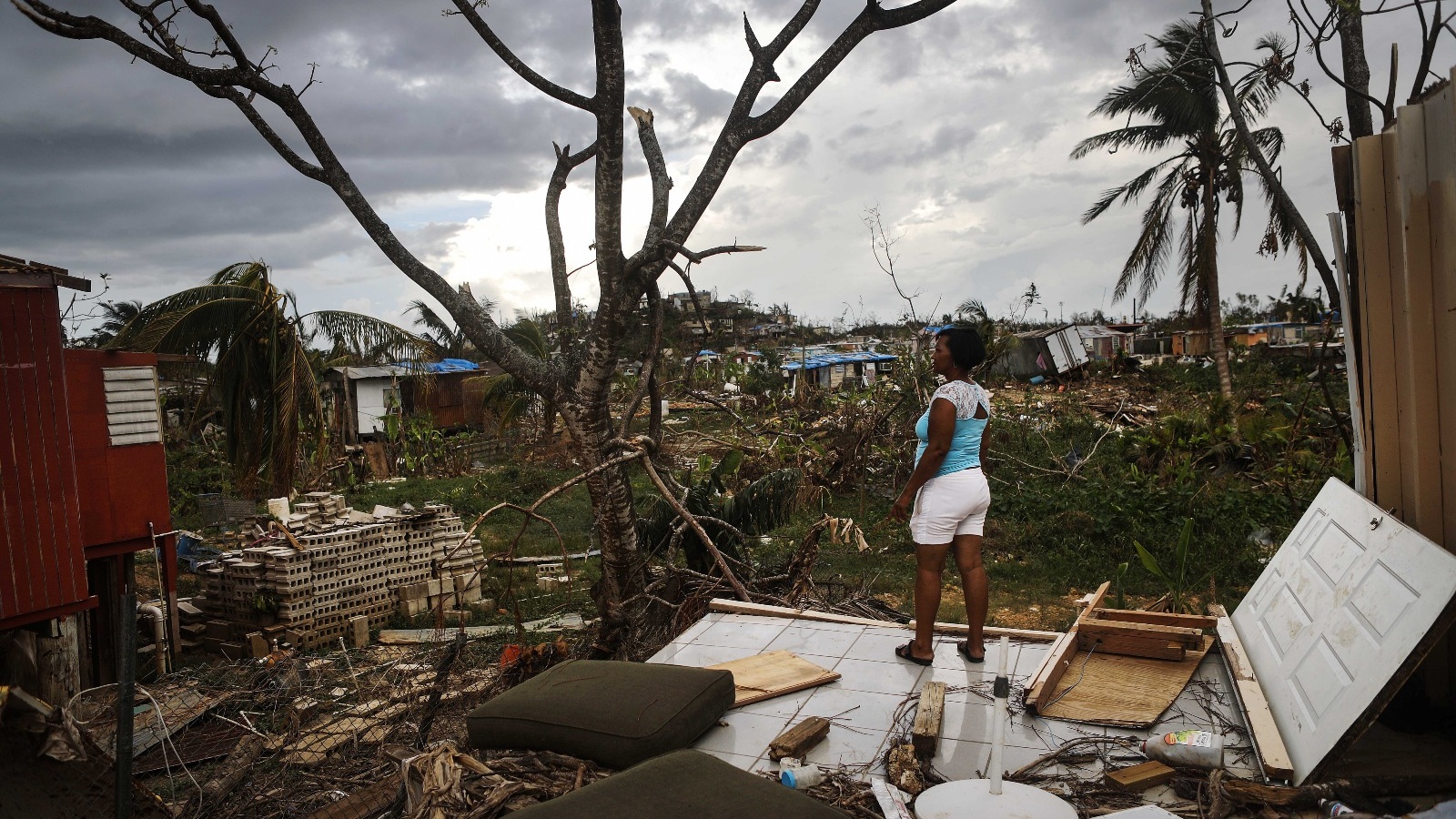
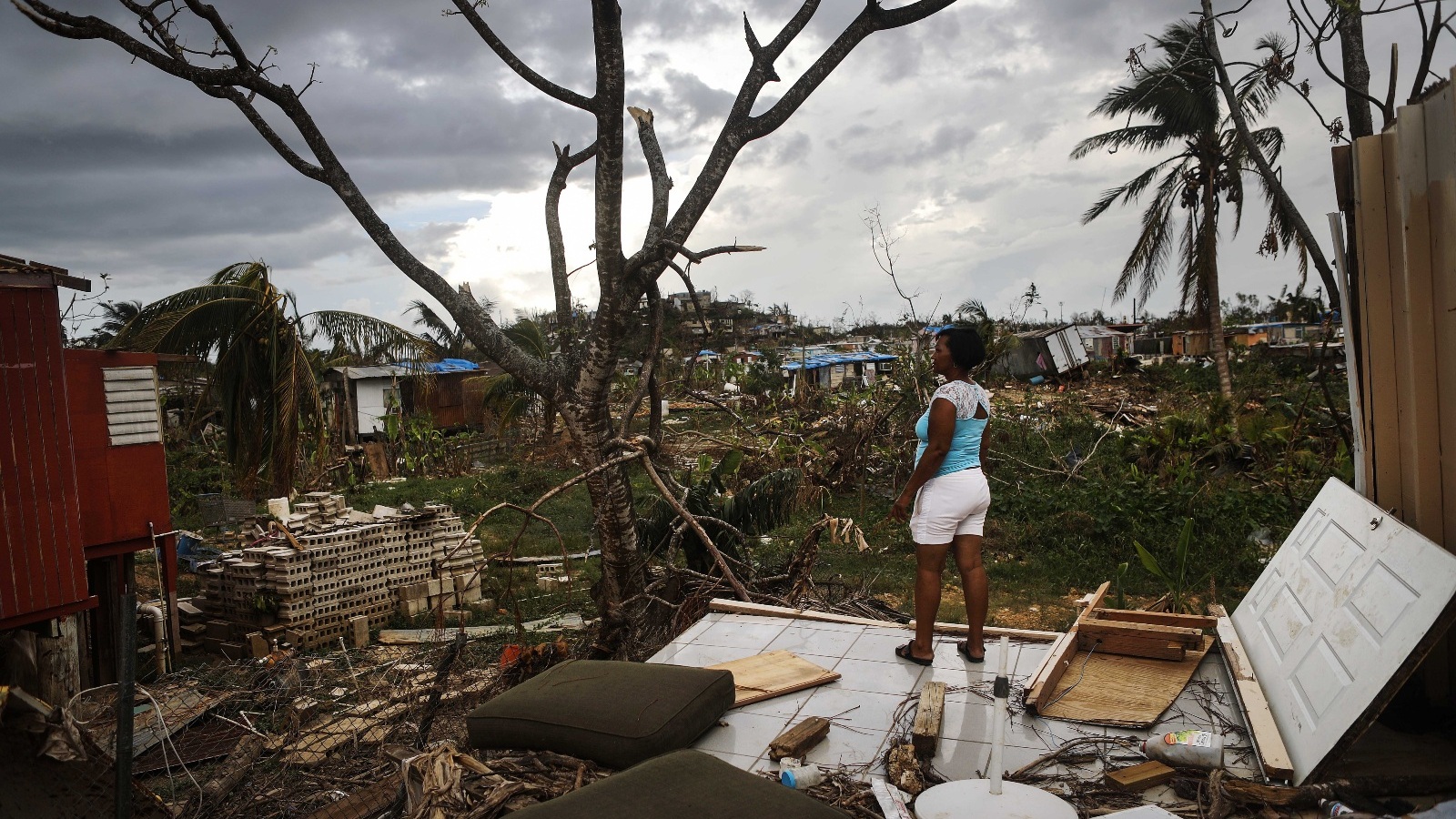
Una mujer parada en su propiedad dos semanas después que el Huracán María devastara a Puerto Rico en 2017.  Mario Tama/Getty Images

Mientras Puerto Rico sigue siendo azotado por tormentas intensas debido al cambio climático, y aumentan los apagones que causan desperdicios de comida y dañan electrodomésticos, invertir en soluciones resulta una necesidad imperiosa.

“El objetivo es que una ONG local pueda crear trabajos dignos para los locales”, dijo Barandiaran. “Cuando Isla Nena Composta opere como visualizamos, podrá generar 20 empleos [recurrentes]; esas son 20 familias beneficiadas”. Puesto que Vieques tiene 2405 familias, ayudar a 20 de ellas es esencial para contribuir a la retención de ciudadanos en una isla que ha sido afectada de manera severa por la recesión económica y la emigración y donde más de la mitad de su población vive en la pobreza.

Más allá de los contratiempos, Arache está comprometida con su misión porque cree que reciclar y compostar es esencial para la supervivencia de la humanidad.

“Si la Tierra recicla, si el universo recicla, entonces nosotros tenemos que reciclar para continuar con el ciclo de la vida”.

Anthony Rivera Cessé y Marian Pichs de Film Translation Board tradujeron y editaron este artículo del inglés al español.

This story was originally published by Grist with the headline Los escombros de los desastres están empujando los vertederos de Puerto Rico al límite on Oct 21, 2022.

Disaster debris is pushing Puerto Rico’s landfills to the brink

Before we get into today's post, I want to remind you that climate change is real. Big governments continue to poison and pollute. One of the things we all can do is plant more trees as well as saving our existing trees whenever possible. That's why Pensacola Tree Services is doing everything to benefit the environment, while also beautifying your home's landscaping.

This story was produced in collaboration with 9 Millones, a digital media outlet based in Puerto Rico. It was supported by the Economic Hardship Reporting Project.

With her six-month-old son balanced on her hip, Ana Arache walks through the beginning stages of a fruit tree forest on the island of Vieques, off the eastern coast of Puerto Rico’s mainland. It is July; the sun beats down and a constant breeze rustles the branches of growing guayabo, tamarindo, and mango trees. As she makes her way across the tropical-dry landscape, Arache points to the pink flowers of the acerola tree, or Caribbean cherry, a smile forming on her face. The trees have already given fruit, and the flowers mean they will bear more.

Arache then points to the ground, gesturing at the ashy brown soil filled with wood shavings. The material is the product of a program that took vegetative debris from Hurricane María and turned it into compost. “We planted this small tree with compost produced thanks to the success [of our program],” explained Arache, the founder of Isla Nena Composta, a nonprofit organization that manages Vieques’ community composting program. 

Like the rest of Puerto Rico and its archipelago, Vieques was devastated twice in September 2017: first by the strong winds and rain of Hurricane Irma, followed two weeks later by Hurricane María, which made landfall as a Category 4. The luscious green foliage that defines Puerto Rico disappeared. María’s 155-mile-per-hour winds scattered branches, leaves, and tree trunks across streets, sidewalks, and roads. 

In total, hurricanes Irma and María produced 2.5 million tons of debris in Puerto Rico, according to the American Society of Civil Engineers – equal to 2.5 to 3 years’ worth of landfill space. 

The government needed to act quickly to clear paths in the debris so first responders and loved ones could bring assistance and essential items to people in need. In the rush to move the rubble, agencies made decisions that shortened the life of Puerto Rico’s already-strained landfills. They moved the debris to the roadside and left it there without separating the materials or diverting it to places where it could be processed or recycled. Eventually, most of it ended up in landfills. 

Environmentalist Ana Arache walks through a fruit tree forest on the island of Vieques, grown using compost from Hurricane Maria debris. Camille Padilla Dalmau

In the years since, the crisis has only worsened. Because of climate change, hurricanes are becoming more intense and frequent in the Caribbean. Category 1 Hurricane Fiona, which made landfall in southern Puerto Rico on September 17, downed trees, homes, and power lines, demonstrating how even less potent storms can strain Puerto Rico’s limited landfill space. The government doesn’t have an archipelago-wide action plan to solve the problem. One study from the Federal Emergency Management Agency, or FEMA, estimates many of Puerto Rico’s landfills will reach capacity as soon as 2023.

Now, a group of organizations including nonprofits like Isla Nena Composta and Puerto Rico Composta Inc. and companies such as TAIS are racing to delay the islands’ landfills from filling up.

Puerto Rico has never been great at recycling. The Solid Waste Reduction and Recycling Act of 1992 set a goal that Puerto Rico recycle 35 percent of the waste it generates; in reality, that number has reached just 10 to 15 percent. Territory-wide, 44 percent of the material that ends up in landfills is compostable; of that number, 22 percent is vegetative material like trees, grass clippings, and bushes.

“With the crisis, the need, we got an opportunity,” said Arache. “María was the push to start taking composting seriously.”


The government of Puerto Rico first recognized its landfill crisis in the 1970’s. Two government agencies, the Puerto Rico Environmental Quality Board, or JCA for its Spanish acronym, and the Solid Waste Management Authority, or ADS, were formed to take care of the issue. But since their conception, they’ve been hindered by inadequate budgets, a lack of personnel, and limited powers to fully implement its proposals. JCA and ADS were absorbed by the Department of Environment & Natural Resources, or DRNA, in 2018 due to austerity measures. This has reduced the solid waste management of the entire archipelago to a single office within the DRNA.

Two-thirds of Puerto Rico’s landfills fail to follow U.S. Environmental Protection Agency regulations. 

A landfill on the island of Vieques. Camille Padilla Dalmau

When many of Puerto Rico’s landfills were built in the 1950s and 1960s, they were designed without effective systems to limit gas emissions and leachate spills (liquids created when food scraps and vegetative debris decompose). The gas emissions contribute to climate change, while leachate spills can release heavy metals, ammonia, and other components that may be toxic, radioactive, and mutagenic to water bodies and nearby communities.

The Vieques landfill is no exception. Essentially, anyone can go to the landfill to dump their trash in sections such as residential garbage bags, scrap metal, electronics, and furniture – there’s even a space for dead animals. A lack of proper soil cover over the garbage has caused fires in the landfill, which affect air quality community-wide.

According to the EPA’s latest assessment, the Vieques landfill has no liner, a net that protects the soil and groundwater from leachate contamination. It also has no leachate collection system or groundwater monitoring program. The lack of monitoring is significant since the landfill is located adjacent to the Caribbean Sea and 8km (5 miles) from Vieques’ most important groundwater system. The nearest house is just 54 meters (0.03 miles) away and the closest school is 2 km (1.3 mi).

“There are days where the flies are unbearable,” said Melisa Molina, a municipal worker who lives near the Vieques landfill. But what has affected her health even more has been landfill fires. The smoke “invades the whole area” and has a strong, pungent smell. It was so “unbearable” at one point that she had to live with her parents on the other side of the island. “I’ve had asthma for 16 years and obviously it doesn’t get any better,” she added. Puerto Ricans have higher asthma rates than any other ethnic group in the United States. 


As a collection of islands, Puerto Rico is in desperate need of new ideas to manage its consumption and waste strategies. There is only so much land available before communities run out of space for their garbage. 

Practices like incineration are highly contested by communities and governmental agencies alike. That means that as landfills fill up, the archipelago must either start shipping garbage overseas or drastically revamp its recycling industry.

Trash along a busy street in San Juan, Puerto Rico in 2021. Just 10 to 15 percent of the waste generated in Puerto Rico is recycled. Ricardo Arduengo/AFP via Getty Images

“The public policy that we have – and have had – has been unstable and inefficient,” said Francisco V. Aquino, a lawyer and member of Generación Circular, a coalition of organizations pushing for public policy that promotes a circular economy in Puerto Rico – an effort to reuse and recycle products locally as long as possible. 

Generación Circular recently pushed for a bill (Ley 51-2022) to ban some single-use plastics. The law was approved in June and will go into effect in 2024.  The group is also pushing for legislation to create a Circular Economy Trust that would gather data, provide oversight on the disbursement of public funding, and advocate for public policies that prioritize the health and well-being of Puerto Rico rather than private economic gains.

Part of the failure of the planning, according to Aquino, has to do with the lack of community integration. “There are parameters established top-down without taking into consideration what communities can do, what they’re willing to do, how you strengthen communities so they can participate in this economy, because an important part of the circular economy is that resources are not always going to the same hands.”

One of the most essential solutions is diverting and recycling organic materials.

In the months following hurricanes Irma and María, Arache’s group, Isla Nena Composta, received roughly 30,400 cubic yards of vegetative debris. After sorting out construction debris and crushing the vegetative materials, they ended up with approximately 17,000 cubic yards of clean and chipped vegetative materials. Eventually, that became 4,000 cubic yards of compost, about the size of an olympic pool.

Sin composta no hay paraíso,” Arache said, laughing. It means that without compost, there’s no paradise, a play on a popular salsa song by El Gran Combo.

Arache describes compost as “the cornerstone of the circle of life” and believes that it is necessary for humanity to survive. Turning organic matter – vegetation, food scraps, or animal waste – into soil not only creates nutrients for the ground to produce food, but it also helps to grow trees and other plants whose roots are essential for retaining water and mitigating floods and other disasters related to climate change.

Isla Nena Composta has sold its compost to local gardeners and community agricultural projects which has helped sustain the nonprofit’s operations for almost five years. They have also donated compost to schools so they develop their community gardens.  

Isla Nena Composta is a rare public-private partnership. The composting facility and the budding fruit tree forest is located in Vieques National Wildlife Refuge which, from 1941 to 2001, was used as a bombing and live-fire training range and ammunition storage by the U.S. Navy. Arache, who is also an environmental scientist and engineer, explained that before military intervention this area consisted mostly of tropical forest and wetlands. The Navy covered the land where Isla Nena Composta is located with asphalt to build a tarmac. That asphalt was removed after the Navy ceased its operations and recycled to make the road that now connects the wildlife refuge. According to Arache, the process transformed this section of the park into a semi-dry forest.

Today, the Vieques National Wildlife Refuge is managed by the U.S. Fish and Wildlife Service. The local office of the federal agency offered Arache’s organization five acres to process vegetative materials and an additional acre for the fruit forest. The composting site is filled with massive piles of vegetative materials (leaves, branches, tree trunks), cardboard, and wooden palettes. Since Hurricane Fiona, they have received a lot more material. “It’s beautiful,” Arache described via email.

Compost made from vegetative debris from Hurricane Maria at Isla Nena Composta.
Camille Padilla Dalmau
The compost helps fruit trees like Acerola grow.

Among the materials, one small dark brown pile stands out – this is what’s left of the compost produced by the vegetative debris from Hurricane María.

“My goal has always been that everything compostable in Vieques be recycled so it doesn’t get to the landfill and we can transform it into fertile soil,” Arache explained. “Not only Vieques, my dream is to accomplish this in Puerto Rico and the whole world, but we have to start one community at a time.”

Less than a mile away from the compost pile are the offices of the local U.S. Fish and Wildlife Service, led by biologist Mike Barandiaran, who manages the refuge. He’s from New York, with Chilean and Native American descendancy, but proudly notes that Vieques has been his home for over 20 years. He shows us around the reserve, miles and miles of green foliage surrounded by the pristine blue Caribbean sea. Everywhere we go, horses are roaming around. Barandiaran wears feathers in his hat, gathered from diseased birds after Hurricane María. He pledges to wear them until Vieques fully recovers from the hurricane.

Barandiaran recalls that he first met Arache around 2012, when the Obama administration formed the Vieques Sustainability Taskforce. While many of the recycling efforts focused on managing paper, plastic, glass, and aluminum, Barandiaran remembers Arache repeatedly asking: “What about compost?”

“At the end of the day, a lot was discussed, a lot of decisions were made, nothing was implemented – but she never left,” Barandiaran said. “She kept persisting, and we know her as ‘Ana Composta.’”

At the beginning of her efforts, Arache’s intention was to establish the composting site on municipal lands, but the mayor’s office at the time did not see its value. “They were skeptical and asked, ‘For what? That’s not needed,’” she recalled. Yet as a biologist that works in conservation, Barandiaran understood Arache’s vision and decided to collaborate.

Arache and Barandiaran went together to ask the mayor of Vieques for help. Even though they didn’t get full support, they went forward with their plans and by 2016 they built the composting site in the Vieques Wildlife Refuge with retention ponds and infrastructure. But when Hurricane María made landfall just a few months later, it completely destroyed the site.

The nonprofit Isla Nena Composta received roughly 30,400 cubic yards of vegetative debris from hurricanes Irma and Maria. Camille Padilla Dalmau

Shortly after the hurricane, Arache and Barandiaran met with the mayor again and explained that they could take the vegetative materials blown down by the storm; it was otherwise slated to go to the town’s landfill. But the mayor still didn’t budge. Arache and Barandiaran next met with FEMA and the U.S. Army Corps of Engineers to explain that they had the space to receive the materials. Although it took months, eventually the U.S. Army Corps of Engineers began transferring the vegetative materials to Isla Nena Composta.

Once the federal agencies were on board, the mayor decided to support the program as well. “When you have a government agency working with a community organization, they complement each other very well because the government agency can recognize and give them legitimacy,” Barandiaran added.

In 2021, there was a change in the local government – and its mindset toward composting. José ‘Junito’ Corcino Acevedo, the current mayor, is a former commercial fisherman who had previously purchased compost from Isla Nena Composta and understood the project’s value.

The legislative assembly of Vieques has since signed an ordinance that decrees that any vegetative material on Vieques should be processed by Isla Nena Composta. The municipality, U.S. Fish and Wildlife, and Isla Nena Composta also signed a collaborative agreement that gave the nonprofit a municipal contractor that receives the vegetative material from Monday to Friday. This allows Isla Nena Composta to have steady hours and gives Arache time to work on critical education and fundraising efforts.

Mayor Corcino says that he wanted to work with Isla Nena Composta because it has the potential of extending the life of the landfill, to control brush fires at the garbage dump, and because it reduces disease carriers such as rats, mosquitoes, ticks, and cockroaches.

After Hurricane Fiona hit the island last month, the municipality hired two companies to take vegetative debris to Isla Nena Composta. “It has been our salvation,” explained Corcino Acevedo in a phone interview a few weeks after the storm. “Almost all the vegetative material has been taken to Isla Nena Composta instead of the landfill.” 

Hurricanes like Fiona, which struck Puerto Rico in September, seen here, create massive piles of vegetative debris that usually end up in landfills. Erika Santelices/AFP via Getty Images

“That’s a large amount [of material] being taken to a place that doesn’t affect the life of the landfill,” said Corcino Acevedo. 


Between the required equipment, transportation, and labor costs, solid waste management is an expensive industry. As nonprofits, community groups, and local small businesses step in to address Puerto Rico’s landfill crisis, they’re running into major financial hurdles.

Between 2017 and 2021, hurricanes Irma and María, earthquakes, and the pandemic all worsened Puerto Rico’s landfill crisis, which moved Governor Pedro Pierluisi to declare a landfill emergency in early 2021, and with it making funds available to bring landfills into compliance. But almost a year has passed and no money has been distributed. Community organizations say they are having a hard time accessing that money because of bureaucracy and a lack of federal understanding of local conditions. 

According to María V. Rodríguez Muñoz, director of the land contamination control area for the Department of Natural Resources in Puerto Rico, the agency is currently planning a public hearing to listen to nonprofits and community organizations working with solid waste management. 

Isla Nena Compost has had to rely on the U.S. Fish and Wildlife equipment to maintain its composting and fruit tree facility, but it lacks the equipment to process the new raw material it has collected. The U.S. Army Corps of Engineers hired a company to grind the vegetative debris from Hurricane María, but their contract ended after the hurricane clean up concluded. Industrial shredders can cost hundreds of thousands of dollars – money the organization does not have. It also needs funds to train and employ knowledgeable staff. 

“The biggest challenge is to keep operating with limited resources. We need basic equipment to move the materials, grind them, and be able to market [the resulting compost], and in this way sustain the operation,” said Arache, who has applied for public funding with no avail. Her goal is to make Isla Nena Composta financially viable. “We are having some success but we could accelerate the process if the government would support us with subsidies that are available but never arrive,” she said. “The federal government has money, I don’t know what happens if they don’t get it where they need to.” 

A woman stands on her property two weeks after Hurricane Maria swept through Puerto Rico in October 2017. Mario Tama/Getty Images

As more intense storms hit Puerto Rico due to climate change, and more power outages cause food waste and damaged appliances, there is a critical need to invest in solutions.

“The goal is that a local NGO can create dignified jobs for local people,” Barandiaran of the U.S. Fish and Wildlife Service said. “When Isla Nena Composta is operating as we envision, it can generate 20 [recurring] jobs, that’s 20 families impacted.” Because Vieques has 2,405 households, impacting 20 of those households is essential to help retain citizens in an island that has been severely impacted by the economic recession and emigration and where more than half of its population lives below the poverty line.

Aside from the setbacks, Arache is committed to her mission because she believes that recycling and composting are essential for humanity’s survival.

“If the Earth recycles, the universe recycles, then we need to recycle to continue the circle of life,” she said.

Anthony Rivera and Marian Pichs of Film Translation Board translated and edited this story from English to Spanish.

This story was originally published by Grist with the headline Disaster debris is pushing Puerto Rico’s landfills to the brink on Oct 21, 2022.

Thursday, 20 October 2022

Congress is spending millions on new air monitors. Will it make a difference?

I'd like to take this time to remind you that climate change is real. The actions of big governments continue to pollute and poison the environment. Whenever feasible, we should all plant more trees and preserve our existing ones. That's why Tree Services in Pensacola strives to do both while also improving your home's landscaping. Read more about how they're making changes at https://treeservicespensacola.com

In the late summer of 2018, hundreds of residents packed into the community center of an affluent Chicago suburb to call for the closure of a nearby industrial facility. For decades, the international company Sterigenics had been using the compound ethylene oxide to fumigate medical devices such as catheters and surgical trays at its plant in Willowbrook, Illinois. But in 2016, the EPA published an updated risk assessment for the chemical, finding it to be 30 times more toxic for adults and 60 times more toxic for children than previously estimated.

In response to these findings, the Environmental Protection Agency’s Region 5 office, which covers the Midwest, began collecting air samples around the Sterigenics plant. The results of their investigation found that the 19,000 people living within a one-mile radius of the facility were exposed to a significantly elevated risk of cancer from ethylene oxide. News of the study spread rapidly in the community, and Willowbrook Mayor Frank Trilla organized a public forum in August 2018.

“Two years ago I was diagnosed with non-Hodgkin’s lymphoma,” one man told the Sterigenics spokesperson at the meeting. (Studies have linked the cancer to ethylene oxide exposure.) “They’ve taken my bladder, my prostate, and 26 lymph nodes. And I’ll see you in court,” he finished to a room full of applause. 

Sterigenics assured the public that they would slash emissions, but months later, the EPA’s monitors were still picking up high levels of ethylene oxide. In February 2019, the state of Illinois ordered the company to cease its operations in Willowbrook while state and federal authorities continued their investigation of its public health risks. Then in September, the company announced that it would be shutting down its Willowbrook operation for good. 

The Sterigenics story offers an example of the power of air monitoring to identify and resolve problems caused by air pollution. But the way it played out is an exception. Other communities around the country exposed to ethylene oxide haven’t even seen government regulators collect air samples to gauge their exposure.

State and federal environmental regulators rarely test around the country’s largest industrial facilities for “toxic air pollutants,” a group of 188 chemicals known or suspected to cause cancer or other serious health effects. The EPA’s “network” of air monitors that collects information about these chemicals is sparse: There are only 34; none of them in the heavily industrialized corridors of Texas or Louisiana. And with the exception of petroleum refineries, most companies aren’t required to monitor the air along the outskirts of their facilities. As a result, many people living near industrial sites have no idea what they’re breathing every day. 

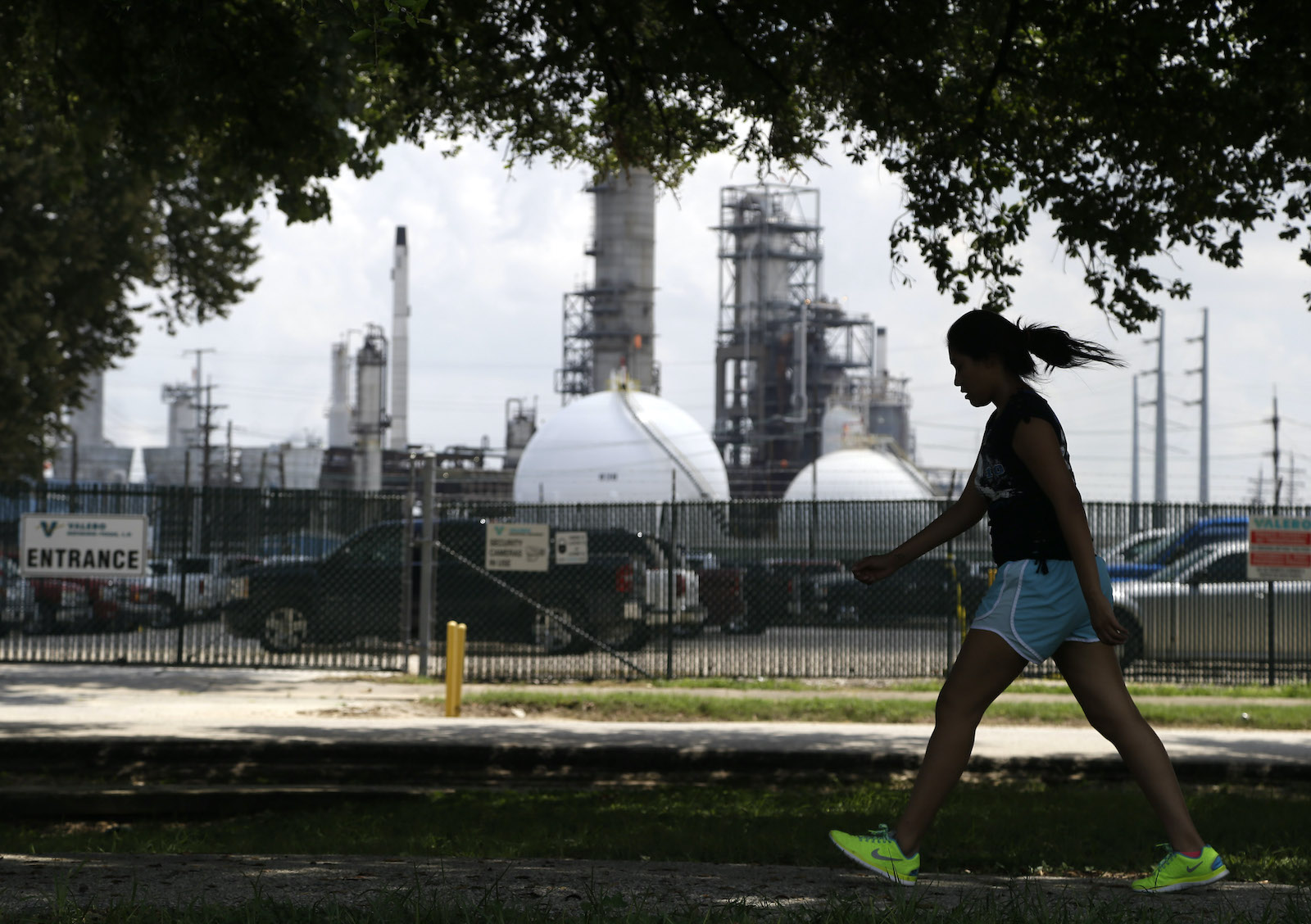
a girl walks in a park with an oil refinery in the background
A young woman walks around the track of a park across the street from the Valero refinery in Houston, Texas.
Pat Sullivan / AP Photo

The Inflation Reduction Act, signed by President Joe Biden in August, has a potential fix: allocating millions of dollars to support air monitoring by the EPA, state and local governments, and nonprofit organizations. These provisions have been hailed as major wins for areas of the country that have been kept in the dark for decades about the quality of the air they breathe. 

But funds for more air monitoring on their own don’t fix the biggest problem standing in the way of communities demanding cleaner air, former EPA staffers and environmental advocates told Grist. Even when air monitors pick up concerning levels of toxic pollutants in neighborhoods near industrial facilities, no law requires state environmental agencies or the EPA to do anything about it. It’s often only after people organize and file lawsuits that regulators swing into action, experts said, and that process can take years. 

“Information is power, but it requires action. It requires next steps,” said Scott Throwe, a former senior staffer in the EPA’s Office of Enforcement and Compliance Assurance. “Ultimately, [air monitoring data] is only as valuable as the actions that are taken to address the emissions that are being released.” 

State and federal agencies that monitor for air pollution most frequently direct their efforts toward six “criteria pollutants”: carbon monoxide, lead, ozone, sulfur dioxide, nitrogen oxide, and particulate matter. These substances originate from a number of different sources including vehicles, industrial operations, and wildfires. The Clean Air Act says that if the concentration of one of these pollutants reaches a certain threshold, regulators must ensure that no new sources are added to the area.

But the 188 toxic air pollutants don’t receive the same treatment. Instead, companies that emit them are required to add special technologies like scrubbers to minimize the amount of pollution that can escape. When these technologies malfunction or become less efficient as they age, people who live nearby may have no idea that the quality of their air is deteriorating. This is especially true for colorless and odorless chemicals like ethylene oxide, which can only be detected using special equipment. 

That’s why some community groups and advocacy organizations have stepped up their demands for air monitors in recent years. 

Read Next

Low-cost sensors are helping communities find gaps in air quality data
Diana Kruzman

“We need the data so we can figure out next steps and so we can apply that pressure,” said Sheila Sherna, a policy director at the Rio Grande International Study Center and former air quality investigator at the Texas Commission on Environmental Quality. Her organization has been petitioning the EPA for air monitoring around a medical sterilization facility in Laredo, Texas that releases thousands of pounds of ethylene oxide a year. 

The EPA has acknowledged the need for more air monitoring. Last year, the agency’s administrator, Michael Reagan, visited a number of southern towns facing high levels of industrial air pollution. In Reserve, Louisiana, a town perched on the bank of the Mississippi River in the state’s industrial corridor, residents took him by Fifth Ward Elementary, a school that sits in the shadow of Denka’s sprawling chemical complex that emits chloroprene, a substance linked to skin and liver cancer. In response to the concerns of those he met in Louisiana and Texas, Reagan announced a multi-pronged strategy for addressing the pollution, including more air monitoring. 

But using air samples to identify a toxic hotspot is just a “first step” to decreasing toxic emissions, said Throwe. Inspectors must next develop a targeting strategy, conduct inspections, and analyze the data to determine whether a facility is out of compliance. The speed with which this process occurs (and whether it occurs at all) depends on a number of factors, including community pressure and the willingness of state regulators and the regional EPA office to take action. 

In some parts of south Louisiana, the state’s Department of Environmental Quality, or DEQ, has permitted new ethylene oxide operations near existing facilities that release even greater volumes of the chemical than the Willowbrook plant did. Kim Terrell, a research scientist at the Tulane Environmental Law Clinic, told Grist that she is skeptical that the money from the Inflation Reduction Act will substantially benefit these areas of the state. 

“It’s good that this funding is being targeted towards the communities that need it but a big part of EJ [environmental justice] involves decision making at the state level,” Terrell said. “All the funding in the world can’t help a community if the state DEQ is permitting more and more industrialization.”

Gregory Langley, a spokesperson for Louisiana’s Department of Environmental Quality, told Grist that it is “committed to pursuing lower emissions levels from all facilities and to further improving air quality in Louisiana,” and added that the Department regularly “assesses impacts to nearby communities to assure permit limits are protective of public health.”

Emma Cheuse, a senior attorney at Earthjustice, welcomed the new federal money for air monitoring efforts but said that the disparate nature of state air pollution programs means that the EPA should pass stronger federal regulations. In particular, she argued that the rules outlining what pollution-reduction technologies companies must install should require “fenceline monitors.” Unlike the community air monitors that the IRA is funding, these would be installed on company property, and workers would be required to regularly check them to ensure that chemical concentrations don’t exceed “action levels” made by regulators. The EPA has already set a precedent for this type of rule when it revised the requirements for petroleum refineries in 2015. And in February, EPA scientist Ned Shappley told the agency’s Clean Air Advisory Committee that similar provisions could work for many other types of facilities in the future. 

But Scott Throwe, the former agency staffer, told Grist that he is “extremely skeptical” that a revamp of the agency’s rules to require fenceline monitors will happen anytime soon due to technical complexities and industry pushback.  

“They’re going to challenge the hell out of it,” he said. “Any of this information makes the industry vulnerable. It’s information that is used directly for enforcement purposes.”

Throwe emphasized that improvements to air quality are typically driven not by regulators, but by ordinary people who rally for stronger protections. That’s how air monitors work best – by alerting people to potential problems.

“Making noise and getting press results in movement,” he said. “When they [create] these community associations and these community action groups, when they rattle cages at the political level, and the phone starts ringing at EPA – that’s what makes things happen.”

This story was originally published by Grist with the headline Congress is spending millions on new air monitors. Will it make a difference? on Oct 20, 2022.

Wednesday, 19 October 2022

How a Utah utility is helping an Estonian oil company hoard Colorado River water

If you're serious about the environment, we all know that planting trees is one of the most effective measures, and tree removal should be a last resort. We at Pensacola Tree Services are dedicated to offering the best for your home as well as the environment, therefore we're committed to delivering it by making it as simple as possible. For responsible tree removal visit us here LinkedIn

Millions of years before dinosaurs went extinct, what is now Utah was submerged by a broad, shallow sea. Over millennia, as the water receded and tectonic plates shifted, rich organic marine material accumulated, forming thick layers of sediment that eventually became the fossil fuel deposits of the Uinta Basin in the northeastern part of the state. The formation is estimated to hold as many as 300 billion barrels of oil — more than the proven oil reserves of Saudi Arabia.

The basin’s immense oil-producing potential remains largely untapped. Drillers in the Uinta Basin extract about 65,000 barrels of oil per day, or just over 1 percent of the more than 5 million barrels daily drilled in the Permian Basin, which straddles West Texas and New Mexico and is the country’s most productive fossil fuel reserve. One of the biggest hurdles is the waxy and viscous quality of Uinta oil, which is so thick that it needs to be constantly heated to keep it liquid. The deposits are also trapped in tiny pores between rocks and more widely dispersed than other shale formations in the country. As a result, oil drillers have been tepid in exploring the basin, despite high gas prices and calls to boost American oil production. 

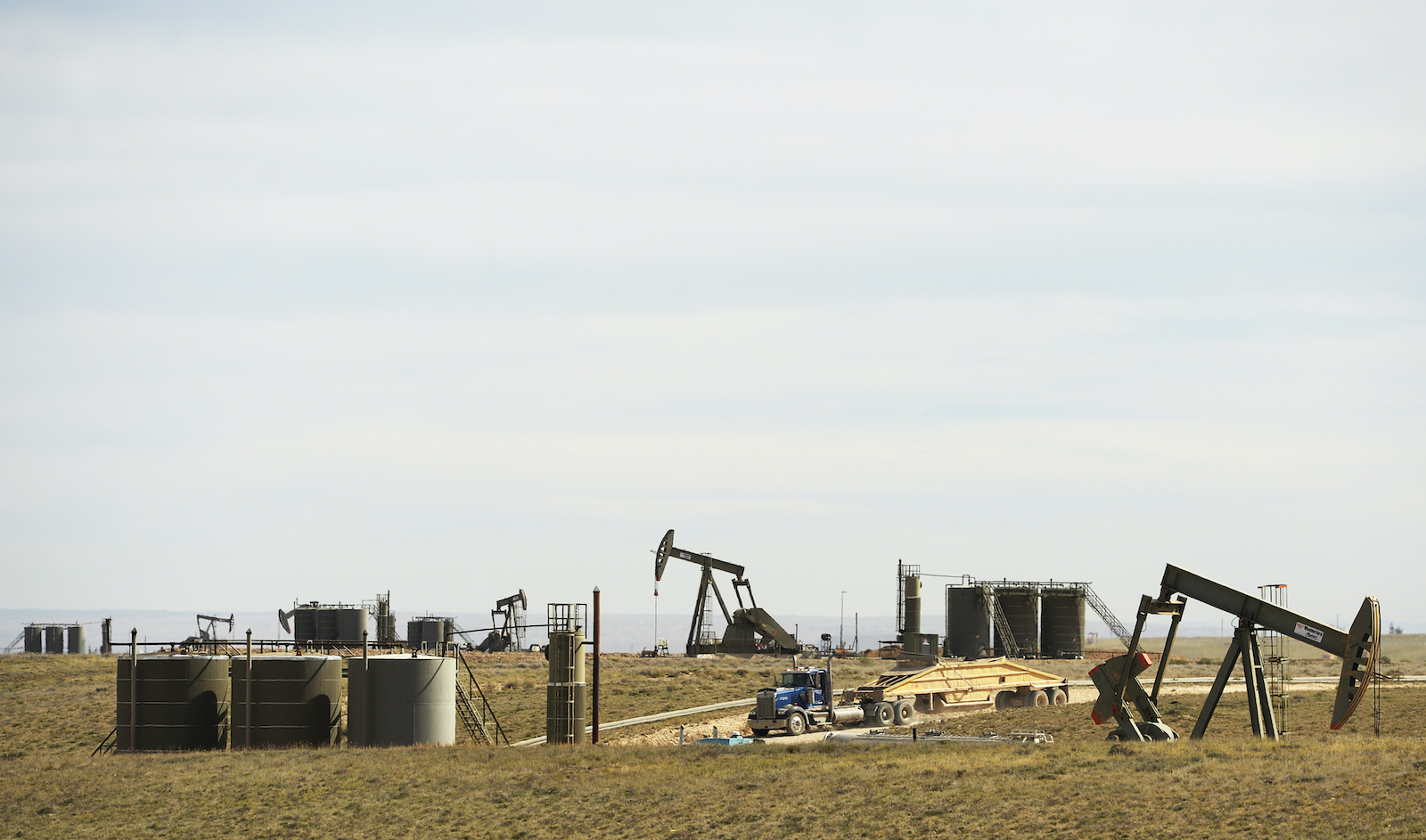
a pumpjack under a wide blue sky
A pumpjack draws oil out of the Uinta Basin. RJ Sangosti / The Denver Post

A state-owned company from the tiny Baltic nation of Estonia wants to change that. The company, Enefit American Oil, has proposed strip-mining 28 million tons of rock, heating them up to temperatures around 1,000 degrees Fahrenheit, and extracting a type of synthetic crude oil. Enefit plans to operate on about 7,000 acres of desert land just south of Dinosaur National Monument and produce 50,000 barrels of oil per day, almost doubling the entire basin’s production. Its novel oil extraction method is also reportedly up to 75 percent more carbon-intensive than traditional fossil fuel extraction. No operation of its kind currently exists in the United States.

But Enefit’s grand plans hinge on one crucial resource that’s in short supply all over the American West: water. The operation needs millions of gallons a day to break up the petroleum-carrying rock and extract oil. In 2011, the company purchased a water right for approximately 10,000 acre-feet — or 3.2 billion gallons — of water from the White River, a tributary of the Green River which flows into the beleaguered Colorado River.

Utah and six other Western states are overwhelmingly dependent on the Colorado for their needs, from urban drinking water to agriculture. But a yearslong megadrought fueled by climate change has left the river in dire straits, and states hold more water rights on paper than physically exist in the river. As a result, water users are making painful cuts to prevent the river’s reservoirs from reaching dangerously low levels. Historically, Utah has not used its full allotment from the river and has restricted large new appropriations for decades in order to fulfill its obligations to Native tribes and downstream states. 

A complex set of rules govern the ownership and use of water in the Colorado River basin. Key among them is the “use it or lose it” principle, which dictates that a water right once appropriated must be put to “beneficial use” — such as for farming or mining — within a specific amount of time. Utah law requires that this threshold be met within 50 years, which is where Enefit ran into trouble. The water right that the company purchased in 2011 dated back to 1965 — meaning it was due to lapse in 2015. If Enefit didn’t put it to use by then, the water right would return to the state. Given the number or regulatory hurdles it needed to overcome before it could even start drilling, there was no way it would start using its water in time to keep its right.

Read Next
Illustration: Hands cupping water that drips into the Colorado River, cliffs in the background
The Colorado River is drying up. Here’s how that affects Indigenous water rights
Mark Armao

State laws allow one exception to the 50-year rule: Public water suppliers and electrical cooperatives may apply for a 10-year extension to prove the water has been put to use. The logic is that it’s OK to hoard water rights only if it means preserving reliable water and electricity access for Utah residents.

How Enefit could claim to be promoting either of these goals is unclear. Nevertheless, the company found a way to capitalize on the loophole. With the deadline looming, Enefit transferred its water right to Deseret Generation and Transmission Cooperative, a public utility serving about 45,000 customers in northeastern Utah. The price? Just $10 for all 3.2 billion gallons. Deseret then turned around and leased the water right back to Enefit, granting it the 10-year extension it needed. 

The extension application requires public entities to prove that the exception they’re requesting “is needed to meet the reasonable future requirements of the public.” An electric cooperative holding on to a water right at the behest of an oil mining company does not appear to be in line with the letter or spirit of the law, given that Deseret produces its electricity from coal shipped in from a mine in Colorado. 

Michael Toll, an attorney with the conservation nonprofit Grand Canyon Trust, called the move “completely unlawful” and said that it “undermines the legislature’s intent in carving out that narrow exception to the 50-year deadline.” The Grand Canyon Trust has been protesting the water right transfer with the state water rights agency and litigating Enefit’s project in federal court. The Trust and a coalition of environmental groups argue that the water right should’ve been forfeited and returned to the state.

Jeff Peterson, a representative for Deseret Power, did not respond to specific questions about the Trust’s allegations but referenced a legal filing submitted to the Utah Division of Water Resources, in which the cooperative questioned the Trust’s standing to file an administrative protest and stated that its “legal assertions are contrary to Utah law.” The cooperative plans to build additional electricity generation units, according to the filing, and the water right in question “will play an important role in Deseret Power’s continued operation of the Bonanza Plant and its ability to meet the reasonable future electricity needs of the public.”

The stakes are high: If Enefit’s project moves forward, it is likely to worsen air quality in a region that is already one of the most polluted in the country, thanks to its mountainous topography and intensive drilling that’s already happening there. The basin is routinely out of compliance with federal smog regulations, and the state public health department has documented spikes in stillbirths in the area.

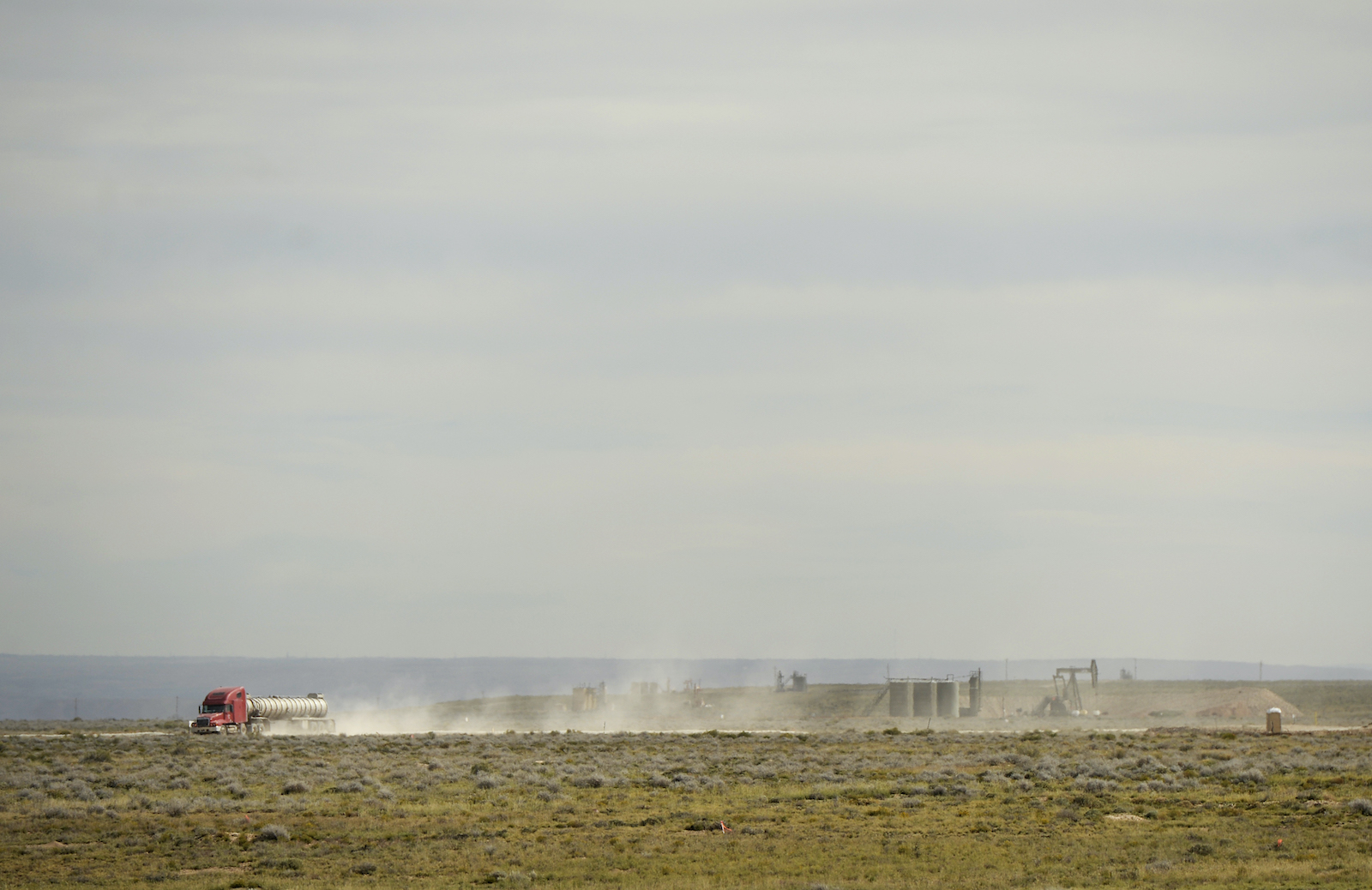
a truck drives along a dusty road under a big sky
A truck drives though Uinta Basin, which is home to around some 11,200 oil and gas wells. RJ Sangosti / The Denver Post

Even beyond its local effects, Enefit’s plan would be a “climate disaster,” according to Brian Moench, president of the nonprofit Utah Physicians for a Healthy Environment. Producing 50,000 new barrels of oil a day for the next 30 years would lock in the annual equivalent of carbon emissions from 63 coal plants at a time when the Biden administration is pushing to cut the nation’s carbon emissions in half by 2030. 

“It’s really not an overstatement to say that this project would be one of — if not the — most harmful single industrial project in the history of industrial development on the Colorado Plateau,” Toll concluded.


Enefit’s ambitious plans to mine oil in the desert highlands of Utah depend on the Bonanza power plant in northeastern Utah, which is one of just a handful of coal plants still clinging to life in the American West. The 500-megawatt plant is owned by Deseret Power, sits just a few dozen miles from Enefit’s proposed mining location, burns 2 million tons of coal a year, and is dependent on water from the Green River to generate power. The cooperative has a pipeline that moves water from the Green River to the Bonanza plant. (According to public comments and documents submitted by Enefit and Deseret, the mining company plans to make use of this pipeline and develop its own extensive infrastructure to ferry water to its mining location about 20 miles away.) 

Deseret is allowed to draw millions of gallons a day from the river, but for decades it only used a portion of its allocated water right. In particular, one 1959 water right was never put to “beneficial use.” Utah’s 50-year rule meant the right would expire in 2009 and return to the state’s public pool. Not wanting to lose its access, Deseret Power pushed legislation that would allow public water utilities and electric cooperatives a 10-year extension to the water use rule. According to the state legislator who sponsored the bill, the electric cooperative always had plans to construct a second coal unit and the water was needed for the expansion. The bill sailed through the legislature, and after it was signed into law, Deseret received the extension it was seeking. 

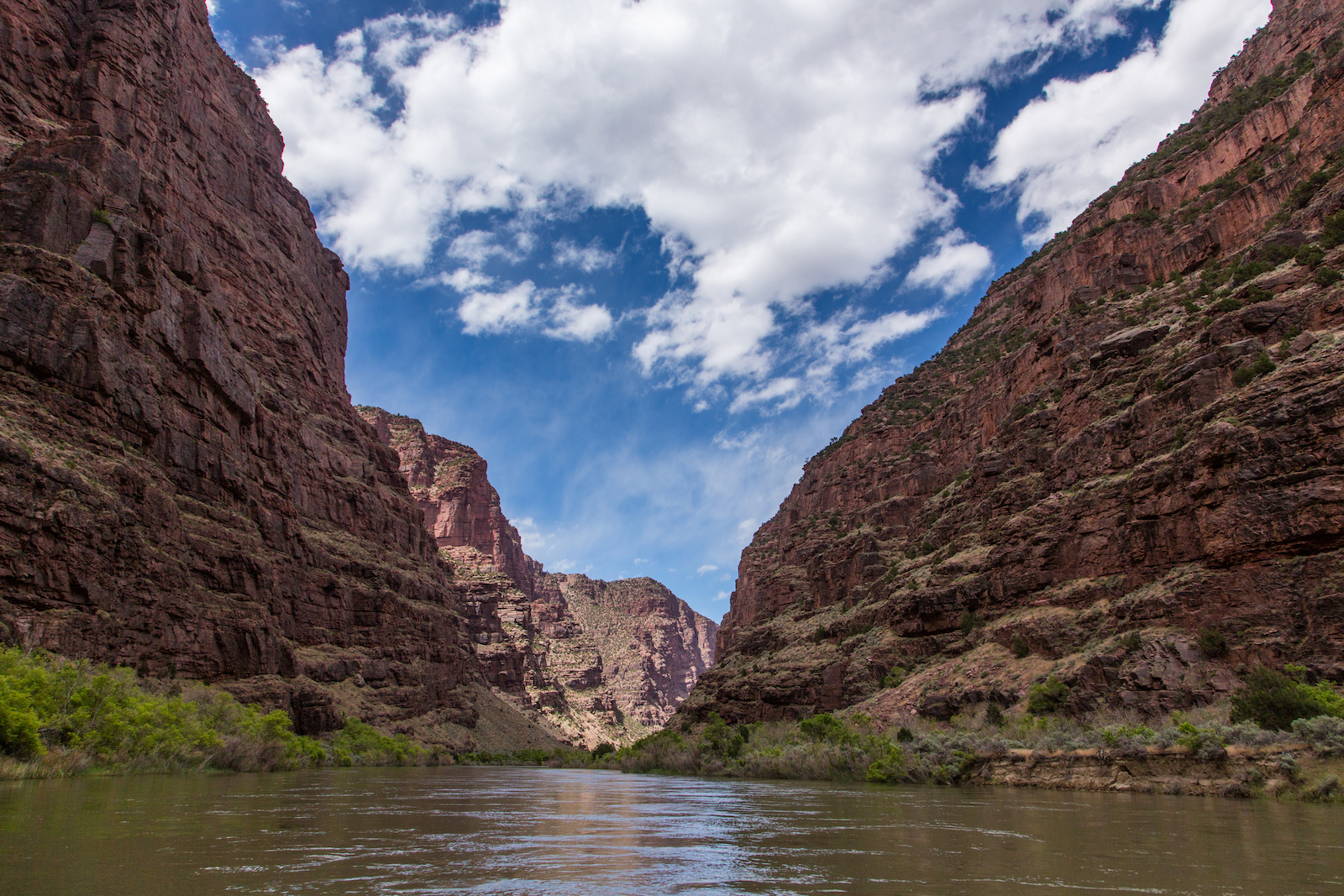
a river runs through a canyon under a cloudy sky
A canyon along the Green River cuts through the Uinta Mountains.
VW Pics / Contributor via Getty Images

Deseret made use of the 10-year extension once again in 2013 — but this time to benefit Enefit. After Enefit transferred its 10,000 acre-feet water right to Deseret, the electric cooperative submitted an extension request, again citing its future plans for the Bonanza coal plant. The Uinta Basin was at the height of the fracking boom at the time, and a recent Utah Department of Transportation report projected significant growth in the region. The boom would mean increased demand for electricity both at the fracking sites and as a result of population growth. Deseret claimed that it planned to meet that need with a second coal generation unit in the next 5 to 15 years and a third unit in 15 to 25 years.

“It is anticipated that the operation of each of these generation units will require up to an additional 15 [cubic feet per second] of water, resulting in a total water demand at the Bonanza plant of approximately 45 [cubic feet per second],” the application noted. The state water division approved the request without any fuss. 

Almost a decade later, Deseret has not built even that second unit. In fact, in 2015 the company entered into an agreement with the Environmental Protection Agency and green groups to limit its coal consumption to 20 million tons for the rest of its plant’s operational life after 2020. Given that it burns about 2 million tons a year, that would mean the plant is due to shut down around 2030.

Deseret appears to have since leased the water right back to the mining company. In 2016, Enefit responded to the Bureau of Land Management’s environmental review of a new water pipeline the company planned to build from the Bonanza plant to its proposed mining location. In the letter, Enefit revealed that it has “an exclusive contractual right” to use Deseret’s water right. This was the first public indication that Deseret had entered into a contractual agreement with Enefit to lease the oil company its former water right.  

The existence of the contract means that the electric cooperative is no longer using its 10-year extension to meet public demand for power, according to Toll, the Grand Canyon Trust attorney. 

Read Next
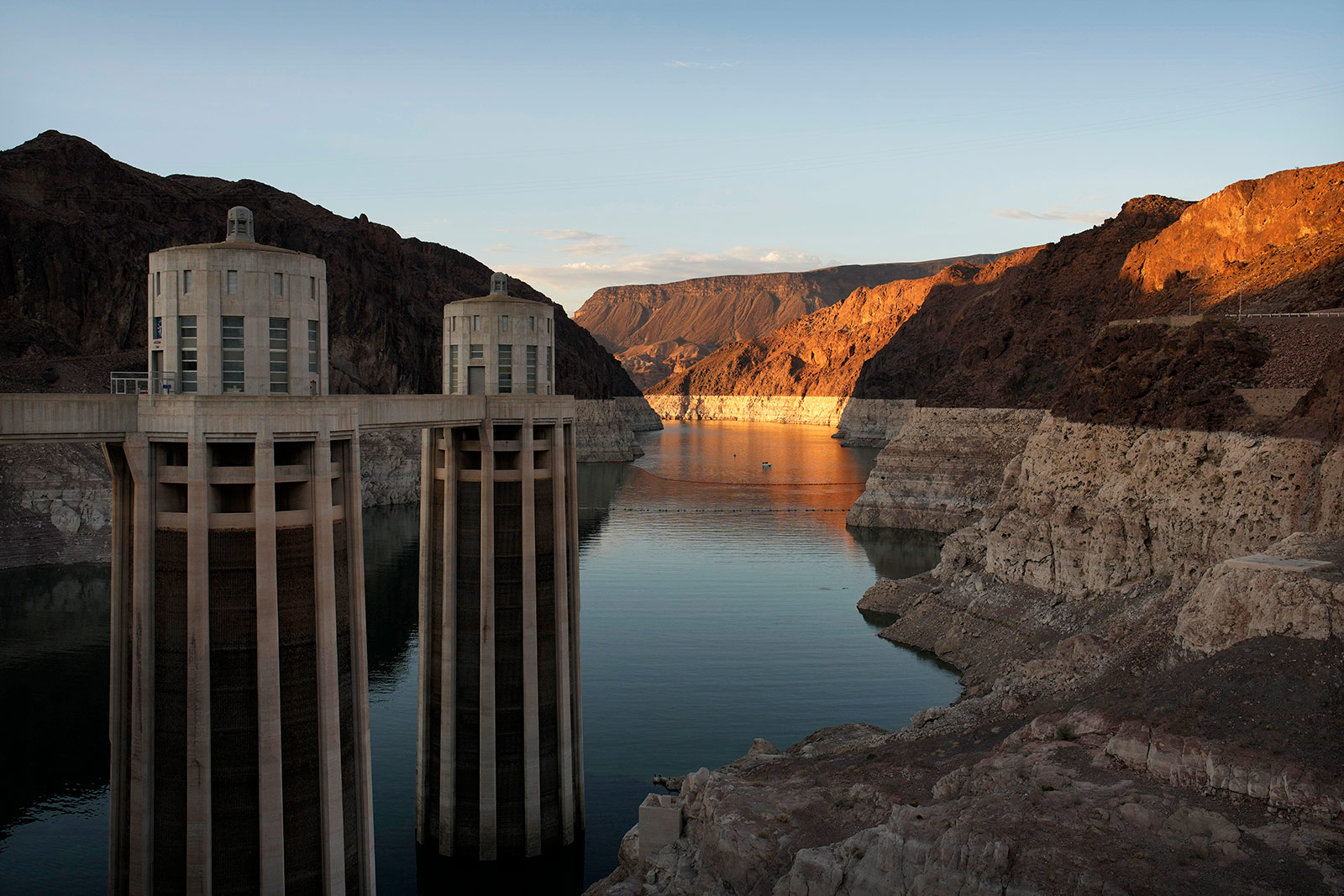
The high water line of Lake Mead near water intakes on the Arizona side of Hoover Dam
The West’s biggest source of renewable energy depends on water. Will it survive the drought?
Emily Pontecorvo

“Deseret power is not meeting its legal obligation to exercise diligence, because its contract seemingly all but forecloses Deseret Power from using the water itself,” he said. “If it really no longer needs this water to generate electricity to meet the public’s future power demand, then there is no reason that they would even hold on to it in the first place — and the water right would be forfeited if they don’t actually need it for the purpose that they said they were going to use it for.”

It’s unclear exactly how Deseret stands to benefit from the deal. The contract is not public, and both companies declined to comment on the details in the agreement. Attorneys Grist spoke to speculated that Enefit may be paying Deseret for its services, or that the Estonian company may have agreed to purchase power from Deseret when it sets up its mining operation.

In the legal filing filed with the Division of Water Resources, Deseret claims that it still has plans to build a second generation unit and possibly a third. Since the settlement with the EPA does not require it to close the Bonanza by 2030, Deseret noted that it may install additional emissions control technologies or run its existing unit on a seasonal basis, thereby extending the plant’s life beyond 2030.

“Deseret Power is currently evaluating alternative generation options at the Bonanza Plant,” the cooperative noted. “All the additional generation capacity will increase the water demand at the Bonanza Plant.”

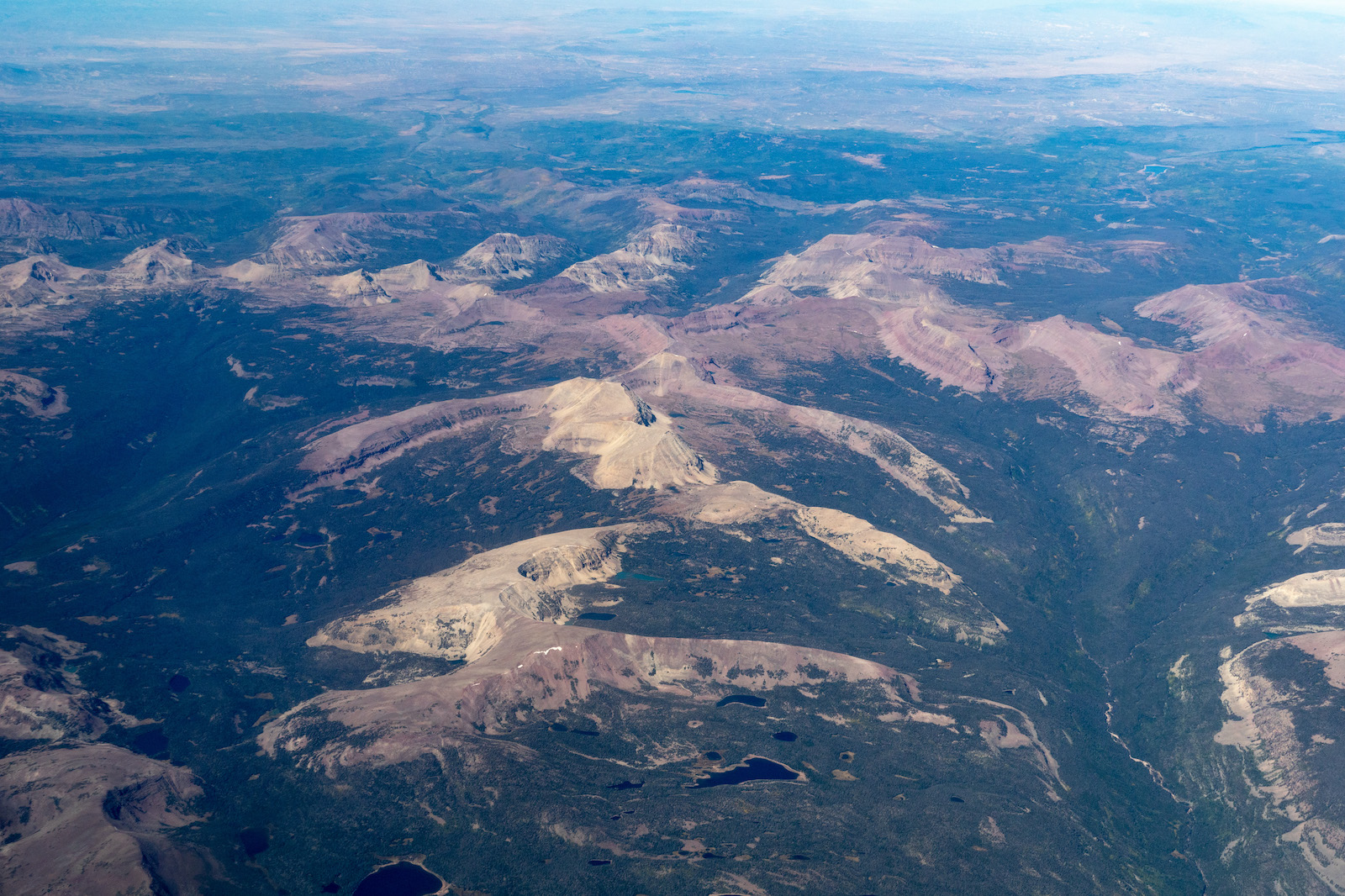
An aerial view of the Uinta Mountains
An aerial view of the Uinta Mountains.
UCG / Contributor via Getty Images

Jared Manning, the deputy state engineer with the Utah Division of Water Resources, said that if Deseret lost its water right, the water would most likely not be reappropriated and would remain in the White River. That’s because the state has not been appropriating large new water rights in the Colorado River Basin since 1990.

“We’re not approving large applications in the Colorado River right now,” said Manning. “If this lapsed, we wouldn’t change our policy. We wouldn’t go out and approve some similar size application or anything like that.”

Manning added that, since only municipalities and public utilities can apply for the 10-year extension, his office doesn’t receive many applications requesting additional time to prove a water right has been put to beneficial use. Since the 2008 law allowing extensions was signed into law, Manning said the agency has processed nearly 450 such applications. Deseret has received three such extensions for two different water rights.

With its purchase of Enefit’s right, Deseret now has ownership of a precious and dwindling resource: Almost all waterways in the state have been fully appropriated and, since the state has not been granting large new water rights, the water that is available is typically purchased from another user. Emily Lewis, a former attorney in the Utah Division of Water Resources who is now a water rights attorney and a professor at the University of Utah, said that farmers and industrial water users — like coal plants — are some of the major water holders in the basin, and therefore hold the keys to new water-intensive projects in the area.

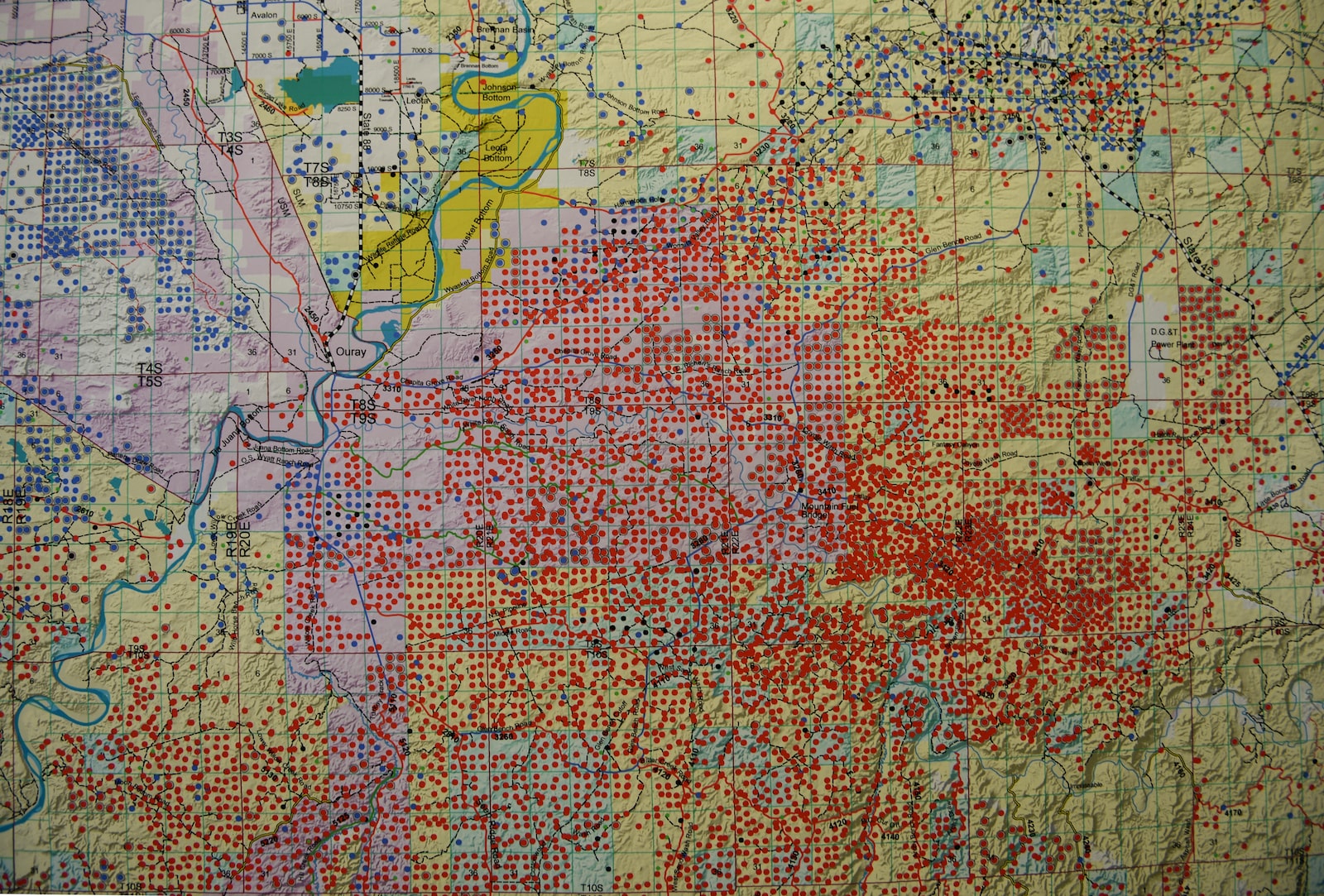
a map covered with red dots for oil and gas wells
A 2014 map shows oil and gas wells in the Uintah Basin.
RJ Sangosti / The Denver Post

“There’s not a lot of water out there these days,” she said. “One of the biggest sources of water that’s going to become available is from retiring coal plants. That’s already happening.”

When Deseret’s 10-year extension expires in 2025, the utility will either have to show the water is being used or apply for another extension. State law requires that Deseret show both that it has a need for the water to produce power and that it has constructed infrastructure to move the water from the river to the plant. It’s unclear how the cooperative will meet these requirements if the coal unit at the plant is expected to shutter in the coming years.

Enefit’s infrastructure plans, which the company has dubbed the “South Project,” have also run into legal trouble. The company plans to build a pipeline and transmission corridor on federal lands administered by the Bureau of Land Management, or BLM. In 2018, after conducting a years-long environmental assessment, the BLM approved the company’s request for seven rights of way.

The Grand Canyon Trust and a number of other environmental groups that had been following the agency’s deliberations sued in early 2019 to challenge the approvals. They alleged that the BLM had failed to adequately consult with the Fish and Wildlife Service, a federal agency in charge of protecting endangered species, among other shortcomings. The Service had not properly considered the effects of the project on four endangered fish species in the Green River, they argued, and thus BLM’s approval of the rights of way did not comply with the Endangered Species Act and the National Environmental Policy Act. A federal court is currently weighing the environmental groups’ arguments. 

If the federal court sides with the agencies’ decision and the project moves forward, Moench, the physician, said the effects could be devastating for both the natural landscape and those who live in Vernal, the closest town to the proposed mining location. He pointed to the environmental degradation in Estonia, where Enefit has already been mining . When Enefit finishes mining and processing shale oil, 45 percent of the shale is converted into fine ash, which is deposited in giant piles visible from space. The prospect of such externalities in the Uinta Basin, which already faces a plethora of environmental threats, has hardened Moench’s opposition to the project.

“We have wildfire pollution, dust pollution, particulate pollution, high volatile organic compounds, and high ozone,” Moench said. “Approving the Enefit project would be like pouring gasoline on the fire of an existing pollution nightmare.” 

This story was originally published by Grist with the headline How a Utah utility is helping an Estonian oil company hoard Colorado River water on Oct 19, 2022.

Summer watch list: Climate-conscious movies and TV

If you're concerned about the environment, you're aware that planting trees is one of the most effective things you can do. Trees ab...